What gets lost when Shakespeare crosses languages
A Hungarian translator shows us how much meaning lives in the spaces between words
What if the difference between "If music be the food of love, play on" and "If music be the food of love play on" changes everything?
Ádám Nádasdy, translating Twelfth Night into Hungarian, faced this exact problem. As he explains in a recent LitHub piece, Hungarian doesn't use commas the way English does. The pause after "play on" that feels so natural to us? It doesn't exist in his language's grammar.
It's Orsino catching his breath, letting the thought settle before he continues with "Give me excess of it.
I keep going back to the way Shakespeare builds these moments of hesitation into his verse. In Hamlet, when the prince says "To be, or not to be, that is the question," those commas create the actual rhythm of someone thinking through an impossible choice. The pauses are where the meaning lives.
But here's what I'm not sure about: does this make Shakespeare untranslatable, or does it make him more universal? Nádasdy had to find other ways to create those pauses. He couldn't rely on English comma rules, so he had to dig deeper into what Orsino is actually feeling in that moment.
He was marking where breath stops, where thoughts shift, where actors need to find the emotional beat.
The whole thing makes me wonder about reading Shakespeare in English too. How many of us actually hear those commas when we read? I honestly rush past most of them. But when you see a translator wrestling with each one, trying to figure out how to make "play on" land with the right weight in a completely different language, you start to notice what you've been missing.
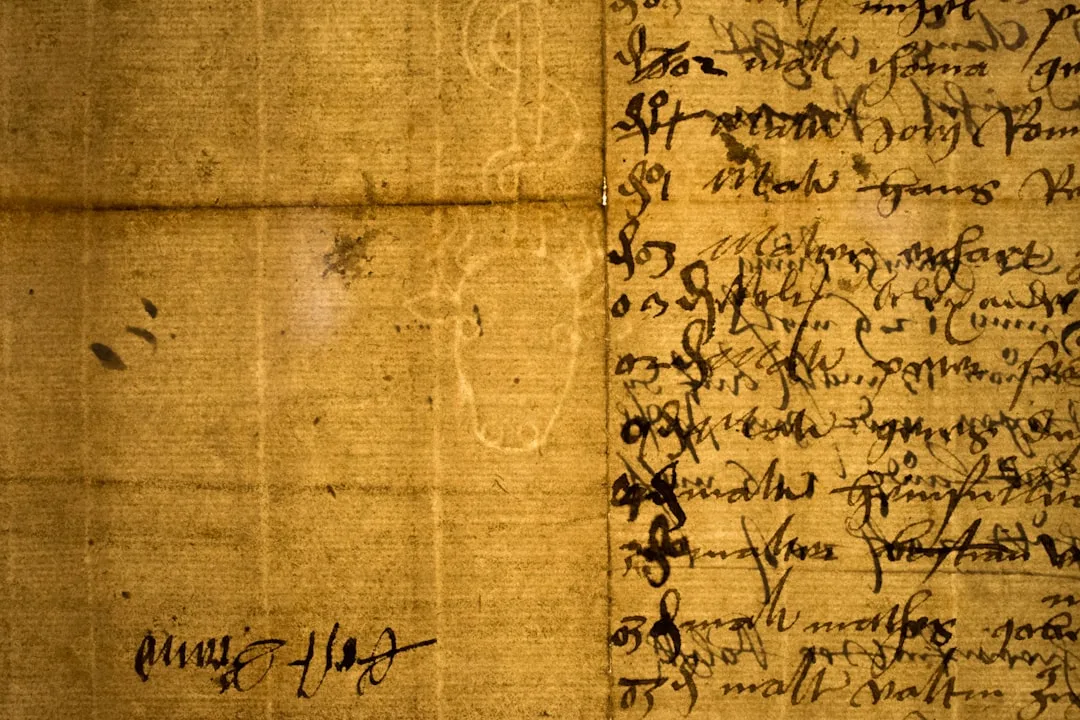
There's something almost absurd about spending this much time on punctuation marks that Shakespeare himself probably didn't even insert. (His original manuscripts were pretty light on commas.) But Nádasdy's struggle shows us something real: the meaning of a line doesn't just live in the words. It lives in the spaces around them, the places where the voice has to choose whether to keep going or stop.
Which makes me think every translation is really an interpretation. And maybe every reading is too.

