Why book deal roundups feel like literary fortune cookies
Those daily discount emails reveal something odd about how we choose what to read next
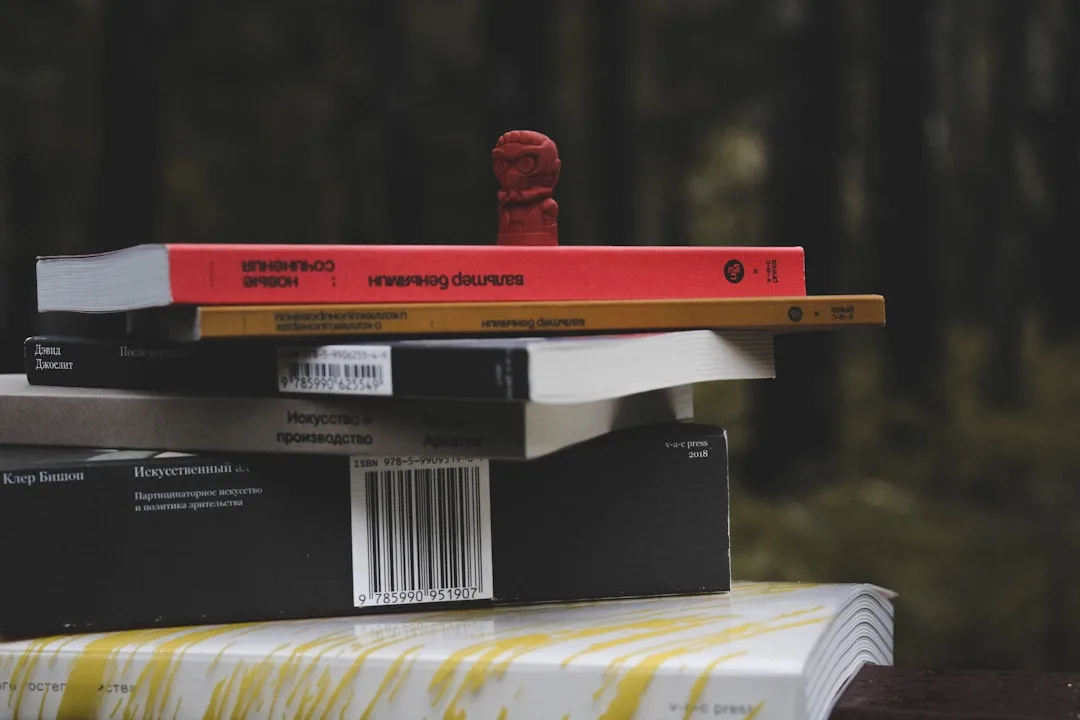
Have you ever noticed how book deal newsletters make everything sound equally urgent? "Adventures in human anatomy, a parody of Shakespeare + witches, high school sweethearts waking up married in Vegas", that's how Book Riot described today's discounted titles, and honestly, the breathless equality of it all made me pause.
There's something weirdly democratic about these daily deal roundups. A serious anatomy textbook gets the same exclamation-point energy as a rom-com about Vegas weddings. Shakespeare parodies sit next to medical guides. Everything costs $2.99, so everything must be worth your attention, right?
" We have that one friend who won't shut up about a particular novel, or we see a quote that stops us mid-scroll, or we remember something our professor mentioned fifteen years ago about Macbeth's weird relationship with sleep.
The real Shakespeare, the guy these parodies are riffing on, understood something about choices that these deal emails miss entirely. In Macbeth, when the witches offer their prophecies, they don't present them as a buffet. Each prediction lands like a stone in still water. "All hail, Macbeth, that shalt be king hereafter!" There's weight to it. Consequence.
I'm not sure this holds up, but maybe the problem with discount book culture is that it strips away the reasons we might actually want to read something. When everything's equally cheap, nothing feels particularly necessary.
There's something appealing about the randomness, like letting a stranger pick your next three months of reading.
The anatomy book might teach you why your shoulder blade connects the way it does. The Shakespeare parody might make you laugh on a Tuesday when you really need it. The Vegas romance might remind you what it felt like to make terrible decisions at twenty-two.
Or they might all sit unread on your device, digital reminders that wanting to read something and actually reading it are completely different impulses. Which happens more often than I like to admit.

