The dog that 35,000 years of art forgot
Thomas Laqueur's *The Dog's Gaze* starts with an absence in the Chauvet cave and ends in a theory of who we paint and who we don't.
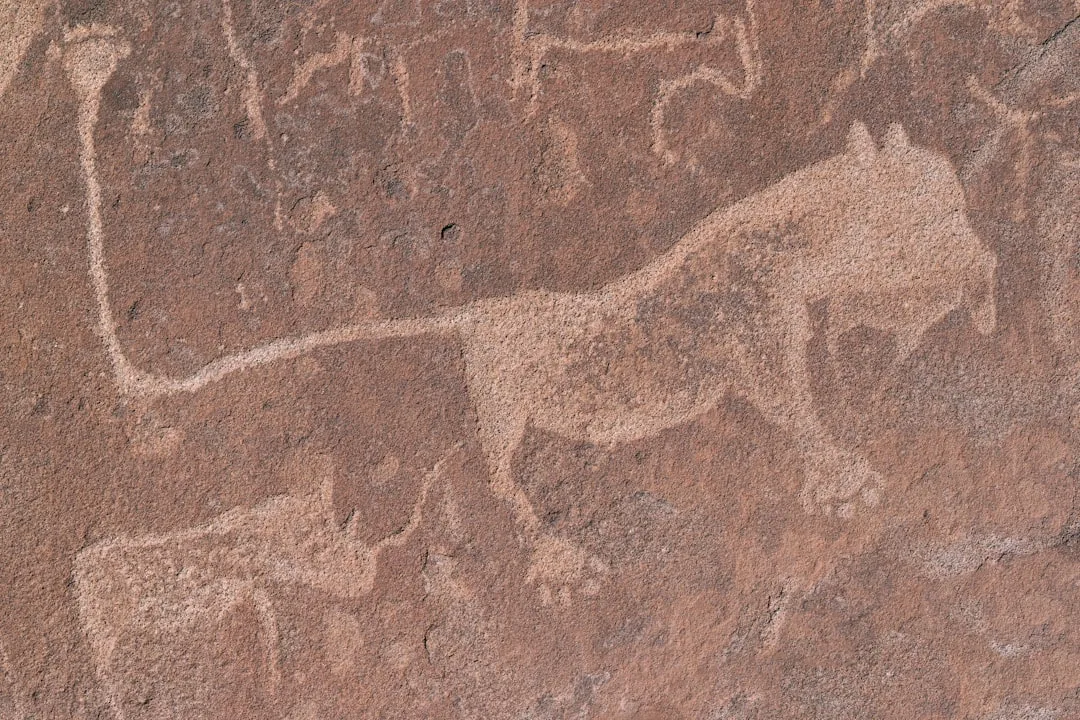
The Guardian on Thomas Laqueur's The Dog's Gaze. The opening puzzle: the Chauvet artists drew lions, mammoths, woolly rhinoceroses. Beside their footprints in the sediment, paw prints. Dogs were there. Dogs went unpainted.
Laqueur traces the gap forward — Velázquez, Picasso, Balla's Dynamism of a Dog on a Leash — and finds dogs reliably appearing as accessories to human drama: loyalty made visible, comic relief, fidelity as costume. Rarely as themselves.
His argument, distilled: we paint what we fear, what we hunt, what stands for power. We don't paint what already lives with us. Representation is the language of distance.
Why it matters: A small puzzle that opens onto a large one — what counts as a worthy subject, and why proximity disqualifies things from art.
Read next: John Berger's About Looking, especially "Why Look at Animals?" Berger asked the question Laqueur is now answering, fifty years earlier and from the other side.

