Why nobody writes letters in novels anymore
The Correspondent makes a case for the lost art of epistolary fiction
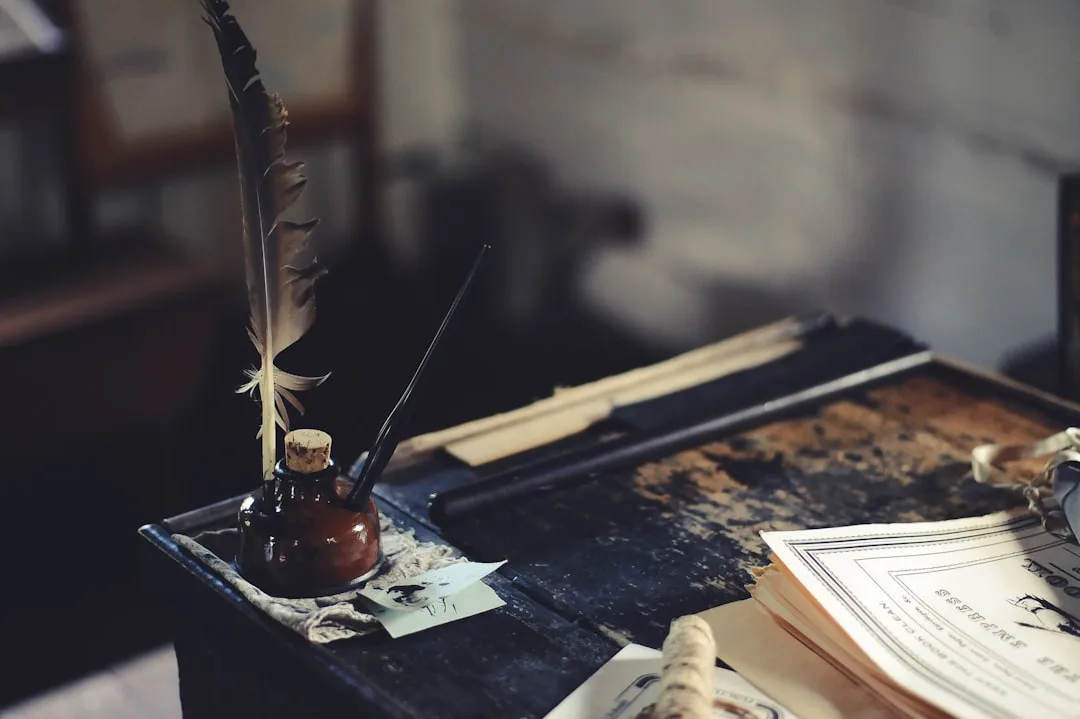
When did we stop trusting readers to fill in the gaps?
Virginia Evans' The Correspondent got shortlisted for the Women's Prize, and honestly, that feels like vindication for a form most publishers have written off as too risky. The Guardian calls it "immensely enjoyable," but I think they're underselling what Evans actually pulled off here. She wrote an epistolary novel that works in 2024.
But Evans found her workaround: Sybil Van Antwerp is in her 70s, exactly the generation that still reaches for a pen when something matters.
I keep thinking about how the review mentions "all those gaps and omissions" as the challenge of epistolary fiction. But that's exactly what made Dracula so unsettling. Stoker never shows you the Count's transformation scenes directly. You get Jonathan Harker's diary entries, Dr. Seward's phonograph recordings, newspaper clippings. The horror lives in what's not said, in the spaces between documents.
Modern novels explain everything. We get internal monologues, omniscient narrators, multiple POVs that leave no stone unturned. Maybe that's why epistolary fiction feels so foreign now. It asks readers to be detectives, to piece together what happened from incomplete evidence.
When you're reading someone's handwriting, you're experiencing their thoughts as they formed them, complete with crossed-out words and second thoughts.
I'm not sure this signals some grand revival of epistolary fiction. The Guardian mentions "two epistolary smash hits" from the 2000s but doesn't name them, which makes me wonder if they were really that memorable. But Evans found something here that feels necessary rather than nostalgic.
The form works best when it matches the story's emotional logic. Sybil conducts "her most intimate relationships through letters" because some conversations require the deliberateness of pen and paper. You can't fire off a quick text about the choices that define your life.
Maybe we need more novels that trust us to read between the lines.

