Why we need books about impossible things
Virginia Evans on the strange comfort of stories that can't be real
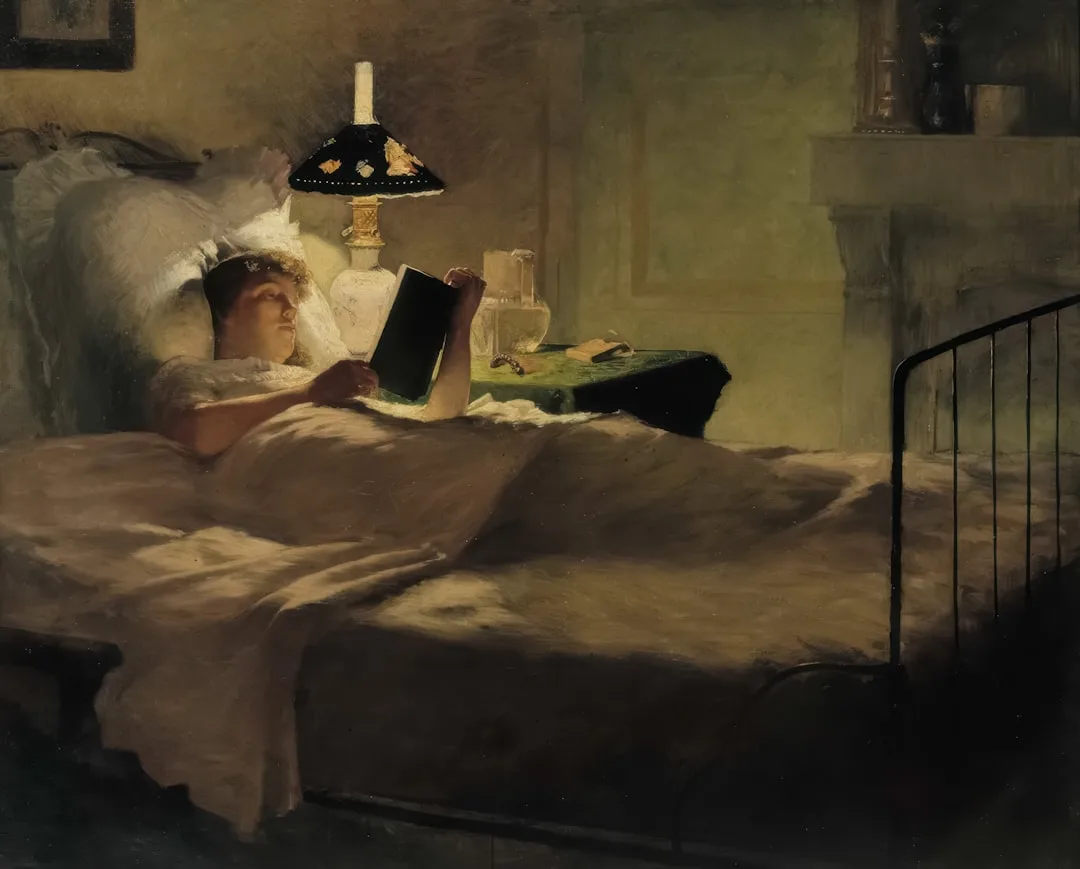
What draws us to stories we know could never happen?
Virginia Evans, whose latest novel made the Women's Prize shortlist, admits she "loved books about things that can't exist." It's a curious confession from someone who writes literary fiction. But maybe that's exactly the point.
Even Of Mice and Men, which is brutally realistic, centers on George and Lennie's impossible dream of owning a farm.
There's something about impossibility that makes a story stick. Not fantasy exactly, but stories that push against the edges of what we accept as real. The moment in Steinbeck where George describes their imaginary farm to Lennie one last time, you feel the weight of that dream even though you know it was always doomed.
Evans mentions crying through Little Women in her thirties. I'm not sure this holds up, but I think we return to impossible stories because they let us feel things that reality won't quite allow. The perfect family. The loyal friend who never leaves. The dream that actually works out.
The comfort of the unreal
Maybe this explains why so many serious readers have a soft spot for children's books. They're full of things that can't exist, and they don't apologize for it. A rabbit becomes real because a child loves it enough. A sidewalk ends somewhere magical. Simple impossibilities that cut straight to what we want from stories.
Evans talks about reading with her sister, "laying across our twin beds in the room we shared." There's something about that image that captures why impossible stories matter. You're safe in that shared space, free to believe in things that the outside world would laugh at.
But here's what I find interesting: Evans writes literary fiction now, stories grounded in recognizable reality.
The best literary fiction often feels impossible in small ways. The perfect conversation that reveals everything. The moment of clarity that changes a life. The ending that feels both surprising and inevitable.
I wonder if that's what we're really looking for when we read, whether it's Shel Silverstein or Joan Didion. Not escape from reality, but permission to believe in the parts of life that feel too good or too strange to be true.