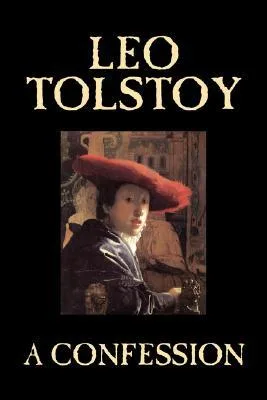
Leo Tolstoy chronicles his slide into a profound existential crisis following the completion of his major novels. Despite his wealth, fame, and family, he describes a paralyzing arrest of life where he could find no reason to exist. He evaluates four responses to the vanity of life: ignorance, epicureanism, suicide, and weak persistence. Finding science and philosophy unable to provide a basis for living, he turns to the faith of the Russian peasantry. Ultimately, he argues that rational knowledge fails to justify human existence, necessitating a leap into non-rational belief to bridge the finite with the infinite.
This memoir serves readers grappling with nihilism or the limitations of secular logic. Those who feel a disconnect between material success and internal fulfillment find a rigorous case study in cognitive dissonance here. The reader walks away with a framework for reconciling intellectual skepticism with the practical necessity of faith. It provides a historical example of how an individual can dismantle their own worldviews and rebuild a life based on moral labor and communal tradition rather than abstract reasoning.
- Published
- 1880
- Language
- EN
More by Leo Tolstoy
See all →

Readers also enjoyed