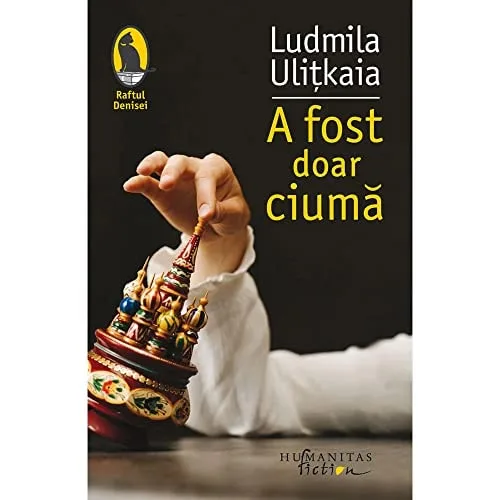
In 1939, a Soviet scientist arrives in Moscow carrying a pneumonic plague infection contracted during a secret laboratory experiment. Lyudmila Ulitskaya reconstructs the subsequent emergency response from the perspective of state security agents, medical workers, and ordinary residents caught in a sudden quarantine. The narrative focuses on the logistical coldness of the Stalinist regime as it tracks every social contact of the infected man. Characters face the dual pressure of a lethal pathogen and the paranoid surveillance of a government that prioritizes systemic control over individual dignity.
This book serves readers interested in historical fiction that examines the intersection of public health crises and political totalitarianism. It provides a sobering look at how institutional systems manage mass panic and biological threats under a dictatorship. Readers gain a detailed perspective on the mechanics of state-mandated isolation and the psychological strain of living through a medical emergency where the authorities are as unpredictable as the virus itself. The text offers a blunt analysis of human behavior when survival depends on both biological luck and political compliance.
Insights from A fost doar ciumă
Stalinismul a transformat medicii în niște pioni pe tabla de șah a fricii. Ciuma e doar fundalul pentru o boală mult mai veche a sistemului sovietic.
Să fii erou înseamnă să taci și să muncești în timp ce statul îți suflă în ceafă. Personajele nu caută glorie, ci doar o zi în plus de viață.
Oamenii se tem mai mult de interogatorii decât de bubonii de pe corp. Carantina seamănă izbitor de mult cu o celulă de închisoare.
Moartea vine brusc într-un laborator prăfuit de provincie. Nu are nimic nobil sau grandios în ea.
- Published
- 2020
- Publisher
- Humanitas Fiction
- ISBN
- 9786067797862
- Language
- RO