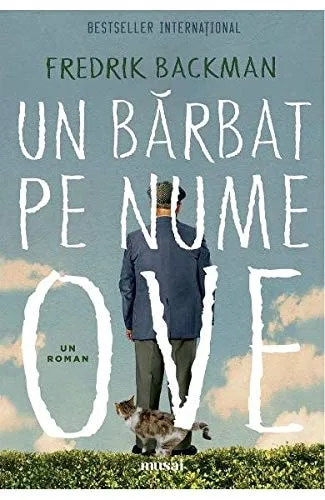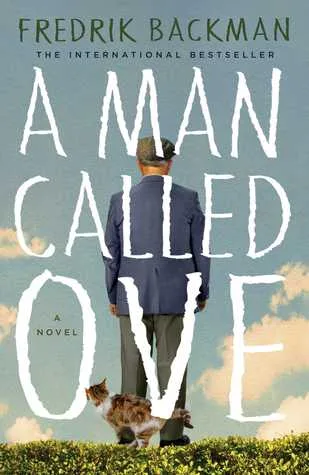
Fifty-nine-year-old Ove is a steadfast misanthropist who enforces neighborhood association rules with militant precision and drives a Saab. Following the death of his wife, Sonja, and his forced retirement, he decides to end his life. His plans are repeatedly interrupted by a chaotic new family moving in next door, led by a pregnant Iranian immigrant named Parvaneh. Through these intrusions, the narrative alternates between Ove’s present-day frustrations and his past history of loss, detailing how a man defined by rigid principles and grief begins rescuing stray cats and teaching neighbors to drive.
Readers who enjoy character studies of grumpy protagonists will find a story about how social isolation dissolves through forced human interaction. This book attracts those looking for a balance of dry, situational comedy and domestic drama. It provides a clear depiction of how shared responsibility and local community can provide purpose after a personal tragedy. Instead of a study on despair, the reader gains an understanding of how specific habits and seemingly harsh personalities often mask a history of deep loyalty and private integrity.
Insights from A Man Called Ove
“He was a man of black and white. And she was color. All the color he had.”
Ove keeps his house at sixty-eight degrees to save money. He sees the world in black and white because he wants things to make sense.
Grief looks like a man shouting at a cat or fixing a radiator. Sometimes being grumpy is just a way to keep from falling apart.
Parvaneh doesn't take no for an answer. She sees right through his anger and asks for a driving lesson anyway.
“To love someone is like moving into a house.”
Men like Ove express love through maintenance. Checking the tire pressure is his version of a heartfelt poem.
- Published
- 2012
- Publisher
- Simon and Schuster
- ISBN
- 9781668010815
- Language
- EN