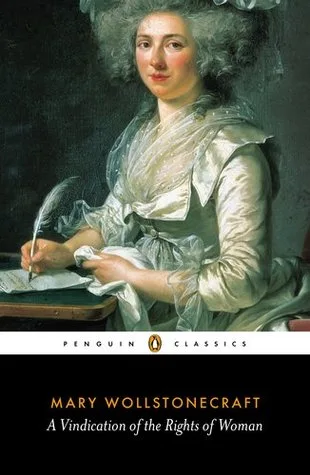
Mary Wollstonecraft argues that the apparent intellectual inferiority of women results from a lack of formal education rather than natural biological capability. Writing against the backdrop of the French Revolution, she contends that women cannot fulfill their duties as mothers or citizens if they are treated as mere decorative ornaments or emotional playthings for men. The text advocates for a national educational system where boys and girls are taught together. By developing their reason, women gain the independence necessary to manage households and participate in the moral progress of the state.
Students of political philosophy and history read this essay to understand the transition from monarchical privilege to individual rights during the Enlightenment. The text provides a framework for analyzing how social environments shape human character and gender roles. Readers walk away with a clear understanding of the rationalist argument for equality, specifically how the denial of education functions as a tool of systemic subordination. It offers a primary source perspective on the intersection of republicanism, domesticity, and the early legal status of women.
Deep and outward-looking; a demanding read.
Best for readers like The Evidence Seeker. Which reader are you?
- Published
- 1792
- Language
- EN