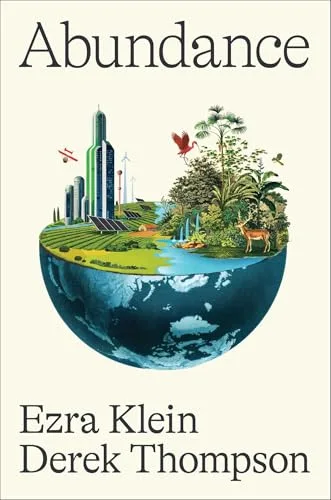
Ezra Klein examines the structural hurdles preventing the United States from building the infrastructure, housing, and clean energy technology required for a functional future. He argues that modern liberalism has transitioned from a movement of building to one of vetoing, where procedural hurdles and regulatory thickets like environmental impact statements and zoning laws inadvertently stymie progress. By focusing on the supply side of the economy, Klein details why simply funding social programs is insufficient if the legal framework makes it impossible to construct the physical world those programs require.
This book serves policymakers, urban planners, and voters who want to understand why public works projects in the West often exceed budgets and timelines compared to global peers. Readers gain a framework for distinguishing between helpful oversight and paralyzing bureaucracy. The text provides a roadmap for shifting from a mindset of scarcity and protectionism toward a policy of abundance. Those interested in the intersection of climate change and permit reform find specific examples of how administrative law must evolve to meet the material needs of the twenty-first century.
- Published
- 2025
- Language
- EN