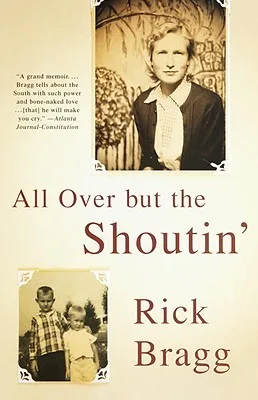
Rick Bragg recounts his transition from the poverty of the rural Alabama foothills to his career as a Pulitzer Prize-winning journalist at The New York Times. The narrative centers on his mother, Margaret Bragg, who picked cotton and scrubbed floors to provide for her three sons while enduring an abusive, alcoholic husband. Bragg details the psychological burden of social class, describing his efforts to reconcile his upbringing in the Appalachian scrub with the elite circles of national reporting. The book documents his reporting from various global conflict zones and the American South, framed as a means to repay his mother for her sacrifices.
Readers who value class analysis and regional history read this book to understand the intersection of extreme poverty and journalism. It appeals to those interested in how family loyalty and social origins shape professional identity. The text provides a specific look at the struggles of the white working class and the personal cost of upward mobility. A reader gains a clear perspective on how early deprivation influences a reporter's worldview when covering marginalized communities and systemic inequality.
Inward-looking and clear-cut; an easy read.
Best for readers like The Empathetic Explorer. Which reader are you?
- Published
- 1997
- Language
- EN