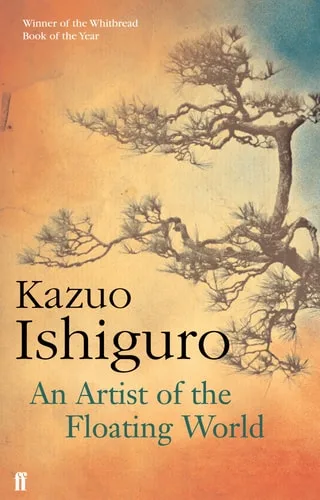
Set in post-war Japan, the narrative follows Masuji Ono, a retired painter navigating the physical and social ruins of his city. As Ono arranges his daughter’s marriage, he recounts his shift from traditional aestheticism to creating propaganda that fueled Japanese imperialism. His memories reveal a man who traded the pursuit of beauty for nationalist fervor, believing his art served a noble cause. Now, he faces a younger generation that views his wartime contributions as a source of shame rather than honor, forcing him to justify his past actions.
Readers interested in the psychological mechanics of self-justification and the unreliability of memory find this story particularly revealing. It attracts those who study how personal identity anchors itself to crumbling political regimes. By the end, the reader understands how individuals sanitize their histories to survive cultural shifts. The text provides a clear look at the tension between private pride and public accountability during periods of national transition, leaving the reader to weigh the cost of being wrong about one's life's work.
Insights from An Artist of the Floating World
“It is my hope that the house will be filled with many more grandchildren.”
Masuji Ono spends so much time fixing his old house. It feels like he is trying to repair his reputation before his daughter gets married.
“I cannot remain silent any longer.”
Old men love to talk about their glory days. Then you realize their version of history is just a shield against shame.
“Memory, I realize, can be an unreliable thing.”
The way Ono remembers his past changes depending on who is listening. Memory is just a tool for keeping your dignity intact.
“They are quite right to be angry.”
Young people in the book have zero patience for the mistakes of the previous generation. The shift in power feels cold and sudden.
- Published
- 2005
- Publisher
- Faber and Faber
- ISBN
- 9780571225361
- Language
- EN