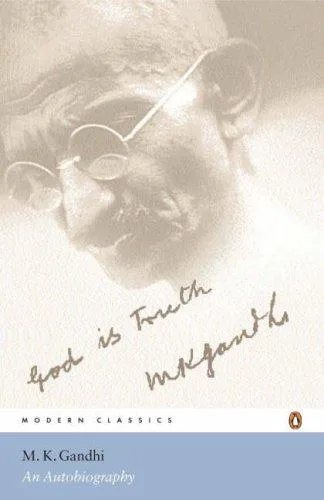
Mohandas Gandhi’s account covers his life from childhood in Gujarat through his legal education in London and twenty years of political activism in South Africa. The narrative focuses on his philosophical development of Satyagraha, or non-violent resistance, and his commitment to Ahimsa. He details his personal experiments with dietetics, brahmacharya, and traditional medicine. Gandhi documents his struggles with shyness, his evolving views on the caste system and untouchability, and the tactical application of civil disobedience against colonial legislation and racial discrimination.
Political organizers and students of ethics read this book to understand the practical application of moral principles in public service. The text provides a blueprint for aligning personal daily conduct with large-scale social movements. Readers gain a clear perspective on how self-discipline and rigorous honesty function as tools for political negotiation. The work offers a case study in how individual religious convictions can be translated into a collective methodology for challenging institutional authority and achieving social reform through non-cooperation.
- Published
- 1927
- Language
- EN