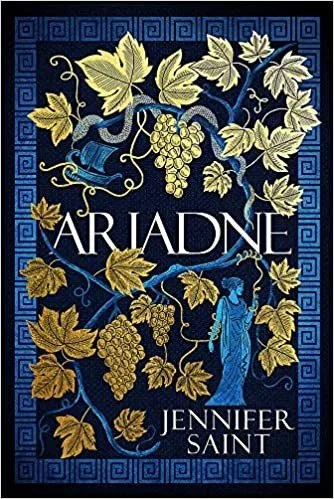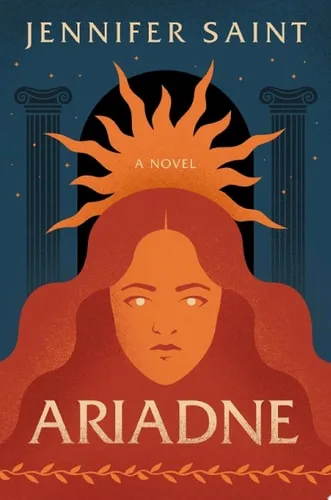
Ariadne, Princess of Crete, grows up in a palace defined by the heavy breathing of the Minotaur, her brother imprisoned within the Labyrinth. When the Athenian prince Theseus arrives as a sacrifice, Ariadne betrays her father, King Minos, by providing the thread and blade needed to slay the beast. The narrative follows her subsequent abandonment on the island of Naxos, her marriage to the god Dionysus, and the parallel struggles of her sister Phaedra in Athens. The story depicts the specific ways mortal women suffer for the hubris and whims of male heroes and Olympian deities.
Readers of Greek mythology and feminist retellings choose this book to see the perspectives of peripheral female figures usually sidelined in the Labors of Theseus. The audience gains a look at the consequences of divine interference in human lives and the internal lives of the women who survival entails navigating the wreckage left by legendary men. The reader walks away with a detailed account of how Ariadne and Phaedra attempt to forge their own agency within a rigid patriarchal society.
Insights from Ariadne
“I would not be a soft landing place for him.”
Ariadne spent her life trying to save everyone. She helped Theseus survive the labyrinth only for him to abandon her on a beach.
“He was a god, and I was only a woman.”
The gods use mortals like toys. Dionysus seems different at first but he still expects her to revolve around his whims.
Phaedra's story hits just as hard. She was trapped in a cold marriage while her sister was stuck on an island.
“The world was not made for women.”
Women in these myths always pay for the crimes of men. Pasiphae didn't choose to love a bull but she bore the shame.
- Published
- 2021
- Publisher
- Macmillan Trade
- ISBN
- 9781250773579
- Language
- EN