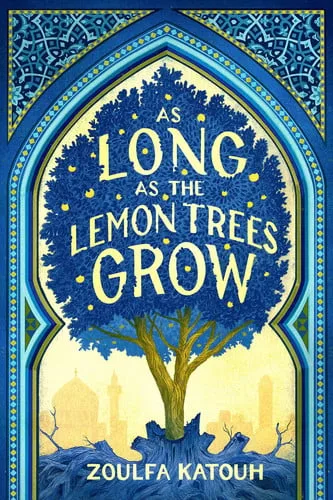
Salama Kassab is a pharmacy student working as a surgeon in a Homs hospital during the Syrian revolution. She manages severe trauma injuries while caring for Layla, her pregnant sister-in-law. Salama experiences a physical manifestation of her trauma through Khawf, a hallucination who pressures her to leave the country securely. When she meets Kenan, a young man filming the protests to document the government’s actions, she must decide whether to seek safety in Europe or continue providing medical aid to her community.
This novel is for readers who study the human impact of the Syrian civil war and the psychological effects of living in a conflict zone. It serves those interested in how trauma influences decision-making and the ethical dilemmas medical workers face during state violence. Readers finish the book understanding the specific logistical risks of the refugee experience and the tension between national loyalty and individual survival. It provides a detailed look at the persistence of cultural identity during forced displacement.
Inward-looking and clear-cut; an easy read.
Best for readers like The Empathetic Explorer. Which reader are you?
Insights from As Long as the Lemon Trees Grow
“Fear is a companion. It’s the shadow that won’t leave.”
Salama sees a hallucination named Khawf who demands she leave Syria. It shows how trauma creates its own ghosts just to keep us alive.
“Every lemon is a sun.”
The way Salama holds onto her lemon trees while bombs fall is heartbreaking. It’s hard to imagine loving a piece of land that is actively breaking your heart.
“The camera is a witness.”
Kenan films the protests because he refuses to let the world look away. He believes a camera can be just as brave as a bandage.
“Green is the color of my country.”
Colors mean everything to Salama. Even in the grey rubble, she looks for the green of the trees to remind her of home.
- Published
- 2018
- Publisher
- Little, Brown
- ISBN
- 9780316351379
- Language
- EN