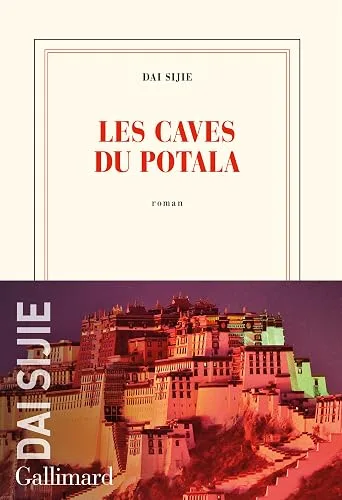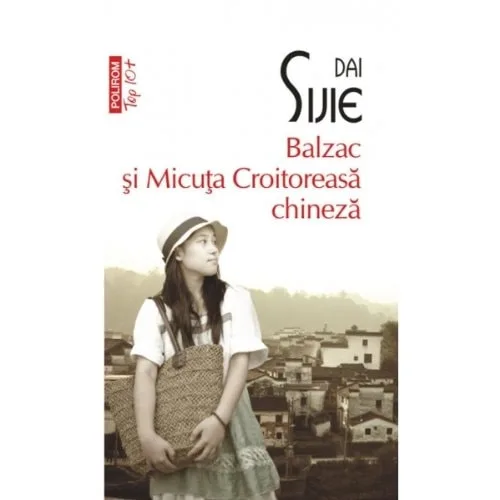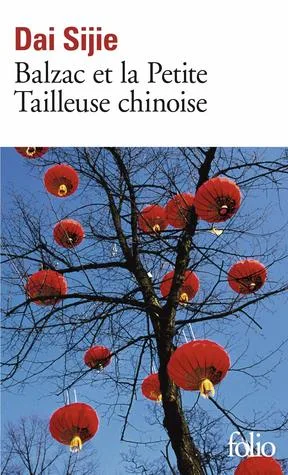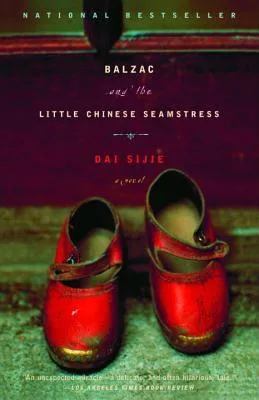
Set during the Chinese Cultural Revolution, the narrative follows two city-bred teenagers, Luo and the unnamed narrator, who are sent to a remote mountain village for forced Maoist re-education. Their grueling labor is interrupted when they discover a hidden suitcase full of forbidden Western classics by authors like Balzac and Hugo. They begin reading these banned novels to a local girl, the Little Chinese Seamstress, hoping to broaden her horizons. Through these secret storytelling sessions, they use European literature to mentally escape their repressive environment and transform their understanding of individual identity.
Readers interested in the intersection of political history and the humanities will value this look at how art functions under censorship. It appeals to those wanting to understand the specific social mechanics of the Mao era beyond textbook statistics. The reader finishes the book recognizing how intellectual awakening can have unpredictable consequences, sometimes leading to a loss of the very thing the teacher intended to protect. It provides a clear view of how private imagination survives during periods of state-mandated conformity.
- Published
- 2000
- Language
- EN