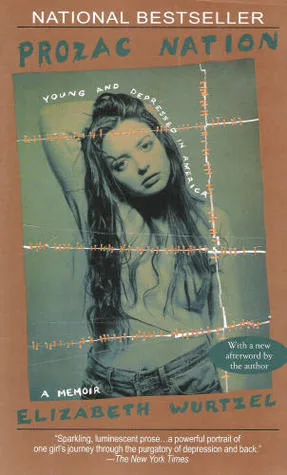
In this cultural critique, Elizabeth Wurtzel examines the archetype of the "difficult woman" through the lenses of history, film, and media. She analyzes figures such as Delilah, Sylvia Plath, Hillary Clinton, and Nicole Brown Simpson to argue that female nonconformity is often pathologized or punished by a society that demands compliance. Wurtzel connects private psychological struggles with public perceptions, arguing that aggressive, manipulative, or depressed behaviors in women are frequently logical responses to systemic constraints rather than mere character flaws or medical abnormalities.
Readers interested in the intersection of feminist theory and 1990s pop culture use this book to rethink the social costs of female autonomy. It appeals to those seeking an unsanitized perspective on gender roles and mental health. The reader walks away with a framework for identifying how cultural narratives curate "good" and "bad" women, alongside a defense of the right to be volatile, demanding, and uncompromising in a world that prizes female pleasantness.
- Published
- 1998
- Language
- EN