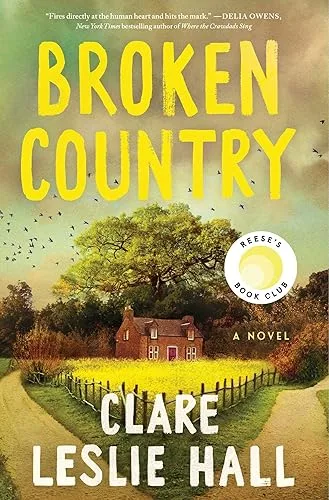
Set in the aftermath of the American Civil War, Broken Country follows a family as they cross the Appalachian frontier to claim a homestead in the reconstruction-era South. The narrative centers on the technical and physical labor of clearing forest land, the scarcity of currency during the economic collapse, and the navigation of local militias. These characters manage the transition from a wartime economy to subsistence farming while maintaining a homestead against territorial disputes. The plot focuses on the logistics of irrigation, crop cycles, and the specific laws governing land acquisition in the 1860s.
Readers of historical fiction choose this book for its focus on the harsh environmental and legal realities of nineteenth-century life. It appeals to those who prioritize historical accuracy regarding tools, medicine, and social hierarchies over romanticized depictions of the frontier. After reading, the audience understands the specific bureaucratic and agrarian hurdles faced by settlers during the Reconstruction period. It offers a clear view of the structural difficulties involved in rebuilding a private life within a fractured political state.
Insights from Broken Country
“I was the one who didn't leave.”
Maddy carries so much quiet guilt about her sister. It shows how the person who stays behind often feels the most trapped.
Small towns have long memories that feel like heavy blankets. You can't just change who you are when everyone remembers you at six years old.
“The house was a hollow thing.”
Grief isn't always a loud breakdown. Sometimes it is just the way a house stays silent for decades.
Seeing the way the sisters interact after years apart is heartbreaking. They have to relearn each other like strangers.
- Published
- 2025
- Publisher
- Simon & Schuster
- ISBN
- 9781668078181
- Language
- EN