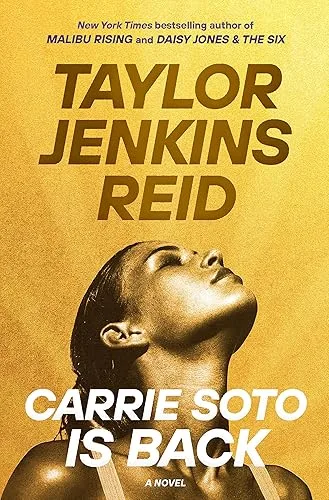
Carrie Soto retired from professional tennis as the greatest player in history, holding every major record. Six years later, at the 1994 US Open, she watches from the stands as Nicki Chan threatens to surpass her slam count. At thirty-seven, Carrie decides to return for one final season to defend her legacy. Coached by her father, Javier, she undergoes a grueling physical training regimen to regain her speed and agility. The narrative tracks her progress through the four Grand Slam tournaments as she faces younger, faster opponents and reconciles with her past reputation as the "Battle Axe."
Athletes and fitness enthusiasts read this book to see the technical and psychological demands of high-level competition. It appeals to those interested in the breakdown of sports longevity, the mechanics of a comeback, and the intensity required to maintain peak physical performance under pressure. Readers finish the story with a clear perspective on the cost of ambition and a detailed look at the discipline needed to master a craft. It serves as a study of resilience, specifically focusing on how an aging body adapts to the rigorous standards of professional athletics.
Insights from Carrie Soto Is Back
Tennis is just the background noise. The real fight is Carrie learning how to be a person without a racket. She had to find a soul.
“I am more than my wins.”
The ending surprised me in a good way. She finally stepped out of the sun. It felt like she could finally breathe.
“I’m not here to make friends.”
Society hates a woman who knows she is great. Everyone wanted her to fail because she refused to be humble. I wanted her to crush them all.
“I like your spikes, Carrie.”
Bowe Huntley is the perfect mess for her. He doesn't need her to be soft. He just needs her to be real.
- Published
- 2022
- Language
- EN
More by Taylor Jenkins Reid
See all →



Readers also enjoyed