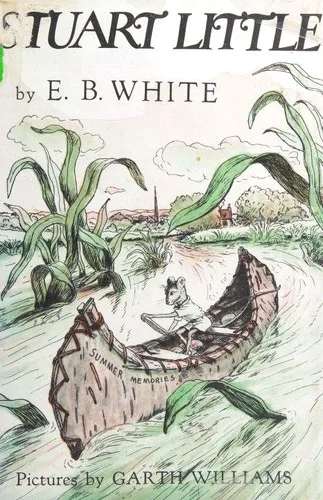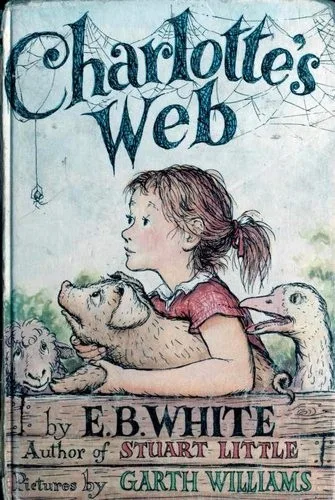
The story begins when Fern Arable saves a runt pig named Wilbur from her father's axe. Once Wilbur moves to Zuckerman's barn, he faces the reality of the winter slaughter. A grey spider named Charlotte A. Cavatica promises to save him through a deceptive yet clever plan. She weaves words like "Some Pig" and "Terrific" into her webs to trick the human neighbors into believing Wilbur is a divine miracle. Aided by the gluttonous rat Templeton, Charlotte spends her energy protecting the pig until she eventually dies after laying her eggs at the county fair.
Children and adults read this book to understand the cyclical nature of life, farm survival, and selfless friendship. It provides a clear look at how loyalty functions within a community of animals. The reader walks away with a practical perspective on mortality and the idea that one individual can change another's fate through labor and kindness. It offers a framework for processing grief while recognizing that life continues through the next generation.
Insights from Charlotte's Web
“But it’s unfair. The pig couldn’t help being born small, could it?”
Fern saved Wilbur because she saw him as a person. Most adults only saw a piece of meat. It makes me wonder what else I miss by being practical.
“A true friend and a good writer.”
Charlotte spent her final energy making Wilbur famous just to keep him alive. True friendship is often a quiet sacrifice made in the background.
“The rat had no morals, no conscience, no scruples, no consideration, no decency.”
Templeton is selfish and grumpy but the farm needs him anyway. Sometimes the people we like the least are the ones who get things done.
“It is not often that someone comes along who is a true friend and a good writer.”
Wilbur had to learn how to be alone after Charlotte died. The hardest part of growing up is realizing your protectors won't stay forever.
- Published
- 1952
- Language
- EN

![The United States in Literature [with three long stories] -- Seventh Edition](https://kwbjoqloympvbpzbrfja.supabase.co/storage/v1/object/public/scan-images/catalog/f48162c6-7eb5-41ec-933b-9c4218489c7d-full.webp)