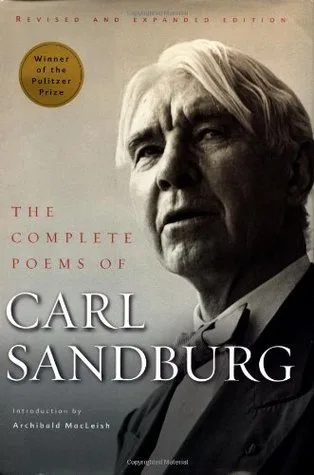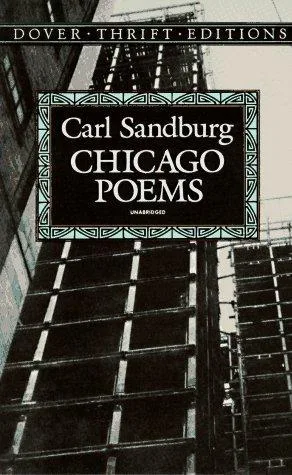
Carl Sandburg’s 1916 debut collection captures the industrial expansion and raw social stratification of early twentieth-century Chicago. Writing in free verse, Sandburg documents the daily life of butcher shops, steel mills, and railroad yards. He personifies the city as a muscular, soot-stained laborer while profiling the specific individuals who populate its streets: immigrant shovelmen, weary prostitutes, and hungry children. The text contrasts the brutal mechanical efficiency of urban commerce against the quiet, indifferent persistence of natural elements like lake fog and prairie winds.
This book serves readers interested in the intersection of American labor history and modernist aesthetics. Students of urban sociology and literature read it to observe how rural-to-urban migration reshaped the national identity. The reader gains a direct view of the physical toil required to build a metropolis and a vocabulary for describing the grit of working-class survival. By the end, one understands the specific tension between the harshness of capitalist progress and the resilience of those working within its machinery.
- Published
- 1916
- Language
- EN
![The United States in Literature [with three long stories] -- Seventh Edition](https://kwbjoqloympvbpzbrfja.supabase.co/storage/v1/object/public/scan-images/catalog/f48162c6-7eb5-41ec-933b-9c4218489c7d-full.webp)