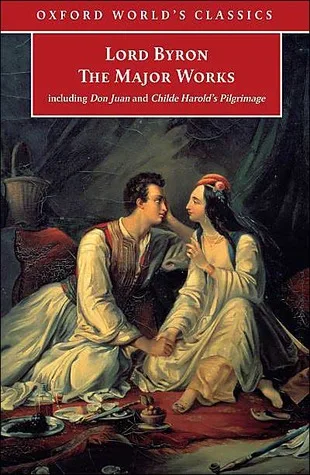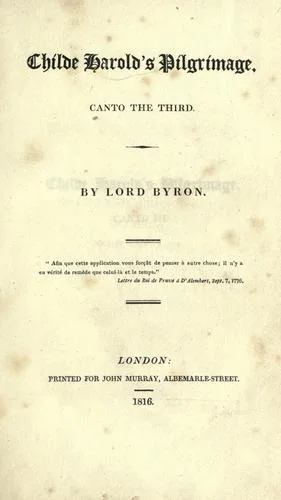
Lord Byron presents a semi-autobiographical narrative following Harold, a disillusioned young nobleman who flees a life of excess and boredom in England. The poem tracks his movements across a war-torn Europe, through Lisbon, Albania, and the Greek coast. Harold observes the remnants of fallen empires and the physical scars of the Napoleonic Wars. He prioritizes solitude and the natural landscape over social interaction, reflecting on the permanence of mountains and oceans compared to the transient nature of human achievement and political power.
This work serves readers interested in the internal mechanics of melancholy and the psychological effects of isolation. Those who feel alienated from modern society find a model for processing grief and restless energy through travel and historical reflection. The reader gains a framework for viewing personal sorrow as a source of creative intensity rather than a mere ailment. By identifying with the protagonist’s detachment, the audience learns to find a sense of belonging in the wilderness and the ruins of the past.
- Published
- 1812
- Language
- EN