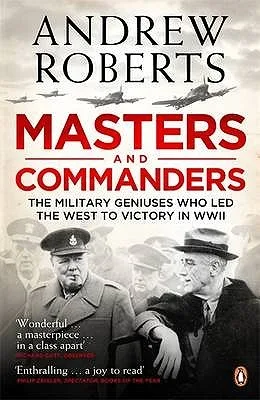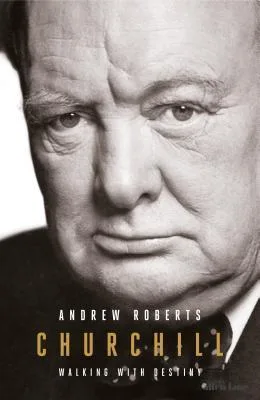
Andrew Roberts utilizes exclusive access to King George VI’s private diaries and unredacted cabinet records to document Winston Churchill’s life from Victorian aristocrat to wartime leader. The narrative moves through his early military service in India and Sudan, his political exile during the 1930s, and his eventual rise to Prime Minister in 1940. Roberts argues that Churchill’s previous errors—including the Gallipoli campaign and his stance on the gold standard—served as necessary preparation for the moral and strategic demands of defeating Nazi Germany.
History enthusiasts and students of political leadership read this volume to observe the intersection of personal conviction and global crisis. The book provides a detailed study of tactical decision-making, parliamentary debate, and the mechanics of 20th-century diplomacy. Readers walk away with a precise understanding of how Churchill’s historical perspective influenced his refusal to negotiate with the Axis powers. It serves as a comprehensive resource for those seeking a factual account of British institutional resistance during World War II.
- Published
- 2018
- Language
- EN