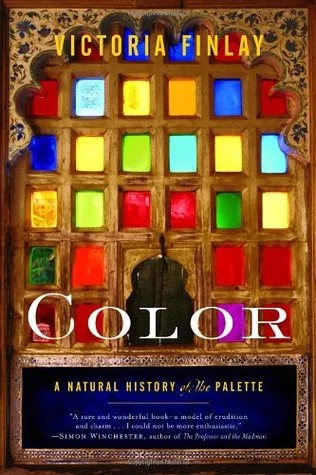
Victoria Finlay tracks the physical origins of artistic pigments by traveling to the remote geographical sources of the rainbow. She investigates the geological and biological roots of color, from the mining of lapis lazuli in Afghan war zones for ultramarine to the harvesting of cochineal insects in Mexico for carmine. The narrative moves through history, explaining how ochre connected Aboriginal ceremonies, how rare sea snails produced imperial Tyrolean purple, and how the trade of Indian yellow allegedly involved the urine of mango-fed cows.
Artists, historians, and designers read this book to understand the material reality behind the canvas. It appeals to those curious about the intersection of chemistry and global commerce before the dominance of synthetic dyes. Readers walk away with a technical understanding of how raw earth, sap, and minerals became standardized paints. They gain a specific vocabulary for the labor and environmental costs historically required to produce the visual world, turning abstract colors into concrete artifacts of human effort and natural science.
Outward-looking and clear-cut; a moderate read.
Best for readers like The Evidence Seeker. Which reader are you?
- Published
- 2003
- Language
- EN
Books like Color: A Natural History of the Palette
See all 12 →