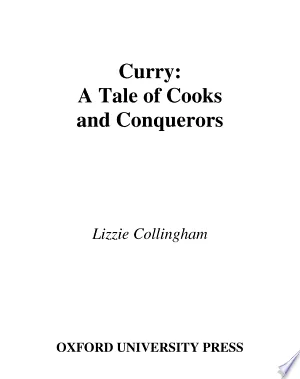
Lizzie Collingham traces the evolution of Indian cuisine by analyzing how centuries of migration, conquest, and trade dictated the contents of the subcontinent's kitchen. She demonstrates that modern staples are not ancient, static inventions but historical accidents born from cultural collisions. The text explains how Portuguese traders introduced vinegar and chili peppers, leading to the creation of vindaloo, and how Mughal emperors merged Persian rice traditions with local spices to produce biryani. By documenting the shift from the royal courts of the Raj to the industrialization of curry powder, Collingham proves that the very concept of "curry" is a colonial construct rather than a native Indian category.
This book serves historians, culinary students, and cooks who want to understand the geopolitical origins of their ingredients. Readers gain a technical understanding of how European techniques, such as roasting meat, merged with South Asian aromatics to create specific regional styles. By the final chapter, the reader understands the global diffusion of these flavors, from Japanese dining halls to London's commercial districts. You walk away with a clear map of how globalization alters national identity through the medium of the dinner plate.
Outward-looking; a moderate read.
Best for readers like The Evidence Seeker. Which reader are you?
- Published
- 2006
- Publisher
- Oxford University Press
- ISBN
- 9780199883813
- Language
- EN