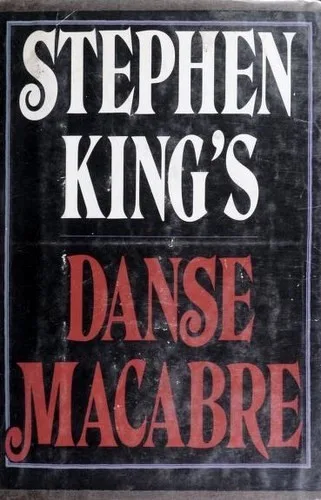
In this nonfiction study, Stephen King analyzes the evolution of horror across literature, film, and radio between 1950 and 1980. He identifies three primary archetypes that underpin the genre: the Vampire, the Werewolf, and the Thing Without a Name. King examines how specific works like Psycho, The Exorcist, and I Am Legend reflect the collective social anxieties of their eras, such as economic instability and the Cold War. He categorizes horror into distinct levels of visceral response, ranging from the intellectual "uncanny" to the physical "gross-out," while providing technical breakdowns of suspense mechanics used by creators like Ray Bradbury and Shirley Jackson.
This text serves as a technical manual for writers and a historical guide for genre enthusiasts. Readers gain an extensive list of recommended books and movies to expand their understanding of the field. By studying King's framework, an audience learns to recognize the psychological triggers behind fear and the structural elements required to build a successful scary story. The book provides a clear map of how supernatural tropes translate into metaphors for real-world fears, leaving the reader with a functional vocabulary for discussing horror theory.
Deep; a moderate read.
Best for readers like The Evidence Seeker. Which reader are you?
- Published
- 1980
- Language
- EN
Quotes by Stephen King
More →Books are a uniquely portable magic.
On Writing
The most important things are the hardest to say, because words diminish them.
The Body