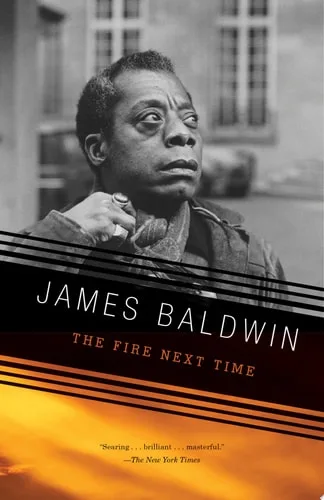
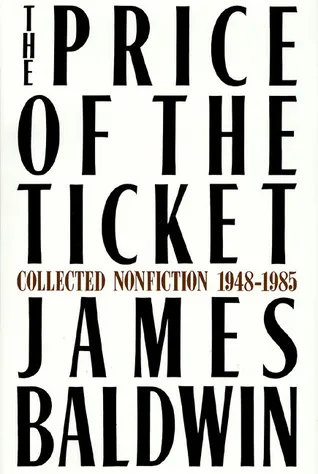
This collection of three essays maps the intersection of racial identity, state power, and the psychological architecture of the American dream. Baldwin examines how white supremacy functions not just as a legal system, but as a collective delusion that prevents citizens from acknowledging their shared history. He discusses the specific dangers of the housing projects in Harlem, the moral bankruptcy he observes in white middle-class life, and the inherent violence required to maintain racial hierarchies. The text focuses on the necessity of dismantling myths to achieve a clear-eyed understanding of the American reality.
Students of sociology and readers interested in the mid-twentieth-century civil rights era will find this work useful for its dissection of institutionalized inequality. It appeals to those seeking a direct analysis of how private identity informs public politics. The reader gains a framework for identifying how historical propaganda influences modern social interactions. By the end, they carry a sharper vocabulary for discussing the psychic costs of prejudice and the structural barriers that define urban poverty.
- Published
- 2018
- Language
- EN
More by James Baldwin
See all →

Readers also enjoyed