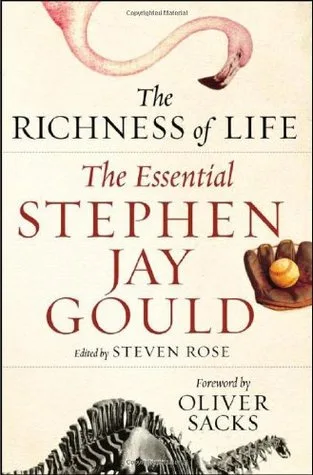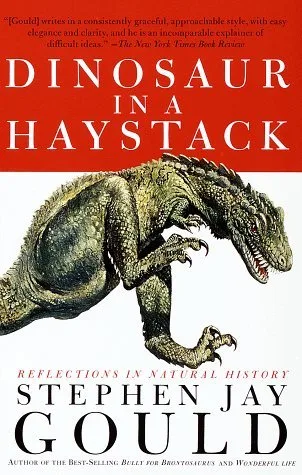
In this collection of thirty-four essays, Stephen Jay Gould examines the intersections of natural history, evolutionary theory, and the social context of scientific practice. He analyzes the mechanism of mass extinction, specifically the Alvarez hypothesis regarding the bolide impact that ended the Cretaceous period. Gould details the logic of taxonomic classification, the biology of land snails, and the historical errors behind social Darwinism. He uses specific case studies, such as the life of Mary Anning and the anatomical quirks of the platypus, to explain how contingency and complex systems drive biological change over vast timescales.
This book is intended for readers interested in the technical nuances of paleontology and the philosophy of science. Those who study evolutionary biology will find detailed explanations of how small observations lead to broad theoretical conclusions. Readers finish the collection with a clearer understanding of how historical biases influence scientific discovery and how the fossil record clarifies the role of chance in survival. It serves as a resource for anyone seeking to understand the relationship between cultural history and the development of modern biological frameworks.
- Published
- 1995
- Language
- EN
More by Stephen Jay Gould
See all →