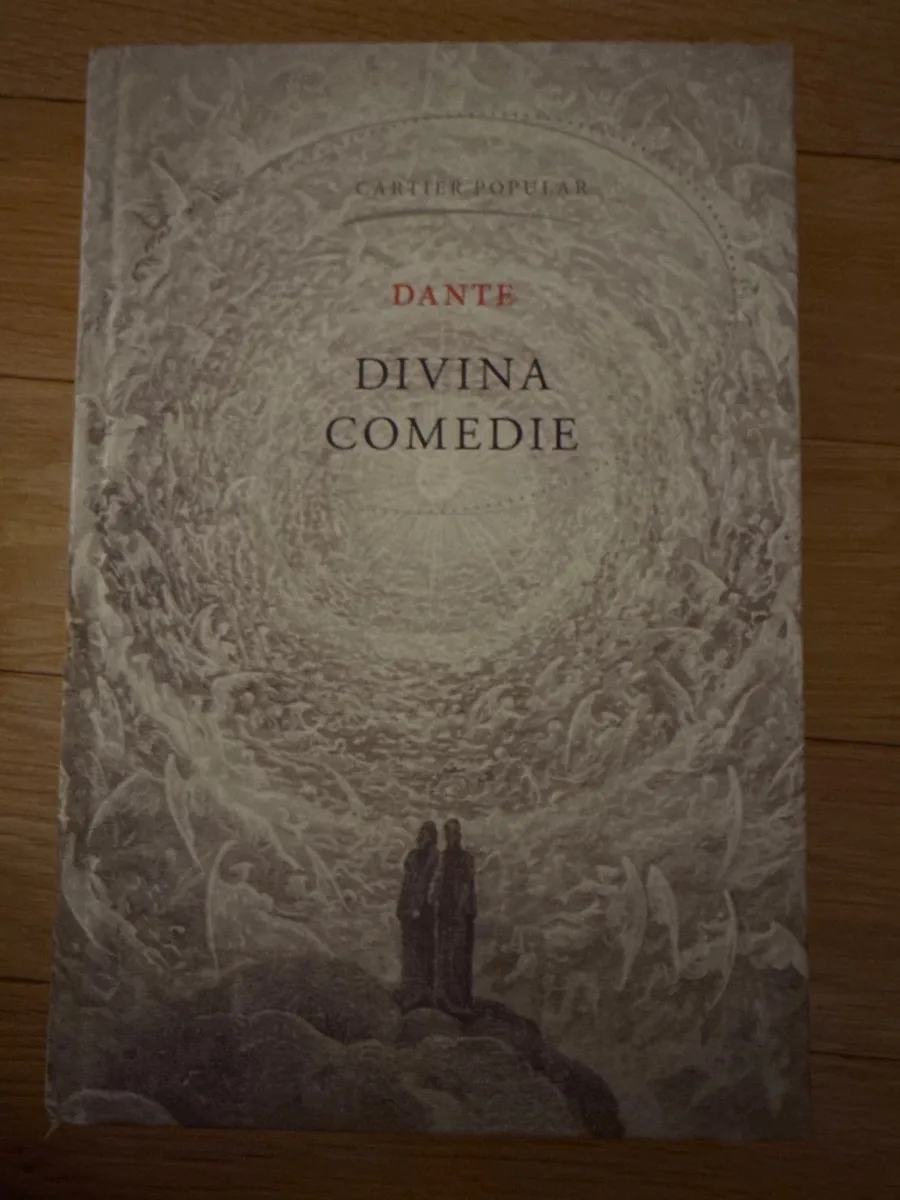
Dante Alighieri narrates a three-part descent and ascent through the afterlife, beginning in the dark circles of Hell before climbing the mountain of Purgatory and reaching the celestial spheres of Heaven. Guided by the poet Virgil, the protagonist encounters historical figures, mythological creatures, and former acquaintances who endure specific punishments or undergo purification based on their earthly actions. The narrative concludes as Beatrice takes over the guidance, leading the traveler toward a direct encounter with the divine. This edition presents the medieval landscape of sins and virtues through language adapted for a younger demographic, focusing on the vivid encounters with three-headed beasts, frozen lakes, and rivers of light.
Students and young readers use this book to build a foundational knowledge of Western literary history and Christian symbolism. By following the protagonist’s path, the reader learns to identify traditional moral frameworks and the consequences associated with different human choices. The text provides a clear map of the 14th-century worldview, helping the audience understand how medieval thinkers categorized human behavior and spiritual growth. Readers gain a concrete sense of classical allegory and the architectural logic used to describe the soul’s progress from despair to clarity.
Insights from Divina Comedie
“Lăsați orice speranță, voi cei care intrați.”
Infernul e plin de oameni care stau la coadă să se plângă. Dante ne arată că iadul e doar refuzul încăpățânat de a vedea unde ai greșit.
“Iubirea, care la niciun iubit nu iartă iubitul.”
Paolo și Francesca plutesc împreună pe vecie, dar nu e deloc romantic. Condamnarea lor e că nu se pot atinge niciodată deși sunt lipiți unul de altul.
Trădătorii îngheață în gheață, nu ard în flăcări. E cea mai rece realizare. Trădarea e absența totală a căldurii umane.
Purgatoriul e mult mai greu de suportat decât Infernul. Acolo ai speranță, iar asta te face să simți fiecare pas ca pe o tortură necesară.
- Published
- 2024
- Publisher
- Humanitas SA
- ISBN
- 9789735083434
- Language
- RO