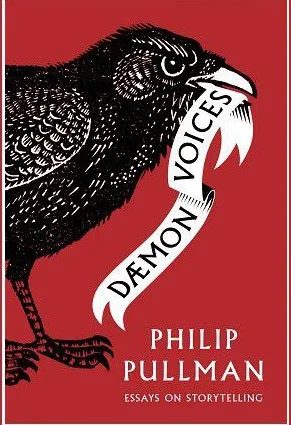
Philip Pullman gathers over thirty pieces of writing that examine the mechanics of narrative and the historical development of storytelling. He analyzes the technical shifts between the third-person omniscient voice and more restricted perspectives, drawing direct comparisons between the works of William Blake, John Milton, and Robert Louis Stevenson. Pullman explains his concept of the "phase space" of a story, where a narrative exists as a series of choices and redirections. He also discusses the role of visual arts and music in shaping a writer’s internal rhythm and the specific structure of the folk tale.
This collection serves students of literature and practitioners of fiction who seek a technical understanding of how stories function. Readers find practical observations on the balance between description and action, alongside a defense of secularism and scientific inquiry within the arts. The text provides a framework for evaluating the moral responsibility of the author to their audience. Someone finishing this volume understands the specific craft decisions required to build a coherent fictional world and the historical influences that have shaped modern Western literature.
- Published
- 2017
- Language
- EN