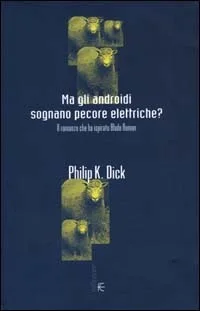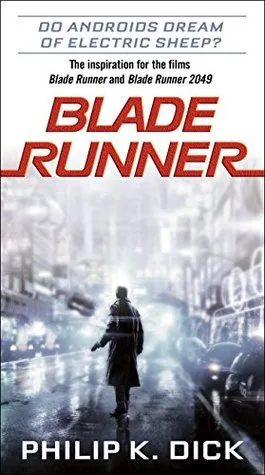
Set in a radioactive, post-apocalyptic San Francisco, the narrative follows Rick Deckard, a bounty hunter tasked with retiring six runaway Nex-7 androids. These synthetic humans have escaped Martian colonies to pass as biological people on Earth. Because nuclear fallout has made animal life nearly extinct, owning a real sheep or toad is the ultimate status symbol, defining one’s social standing and capacity for empathy. Deckard uses the Voigt-Kampff test to measure involuntary physical reactions to determine if a subject is human or a machine, while the population relies on mood organs and a collective religion called Mercerism to maintain their emotional stability.
This novel is for readers who enjoy philosophical inquiries into the definition of biological life versus artificial intelligence. It appeals to those interested in the psychological effects of environmental collapse and the moral ambiguity of law enforcement. Readers finish the book with a deeper understanding of how empathy functions as a tool for social stratification and the difficulty of distinguishing manufactured memories from authentic human experience in a world dominated by simulation.
Insights from Do Androids Dream of Electric Sheep?
“A man is a fool who can't take care of a piece of life.”
Deckard spends his whole day hunting machines just to afford a real animal. It makes you see how much of our identity comes from what we care for.
“My first reaction to any of the B schedules is a desire to dial a different one.”
The way people use the mood organ to force themselves to feel something is scary. It shows how we try to avoid the messy parts of being human.
“Everything is true. Everything anybody has ever thought is true.”
Luba Luft was such a talented singer and she didn't even know she was an android. Talent doesn't care if the vessel is biological or not.
Garland realizes he's a machine and just accepts it without much fuss. Realizing you aren't who you thought you were can happen in an instant.
- Published
- 1968
- Publisher
- Ballantine Books
- ISBN
- 9780994327932
- Language
- EN