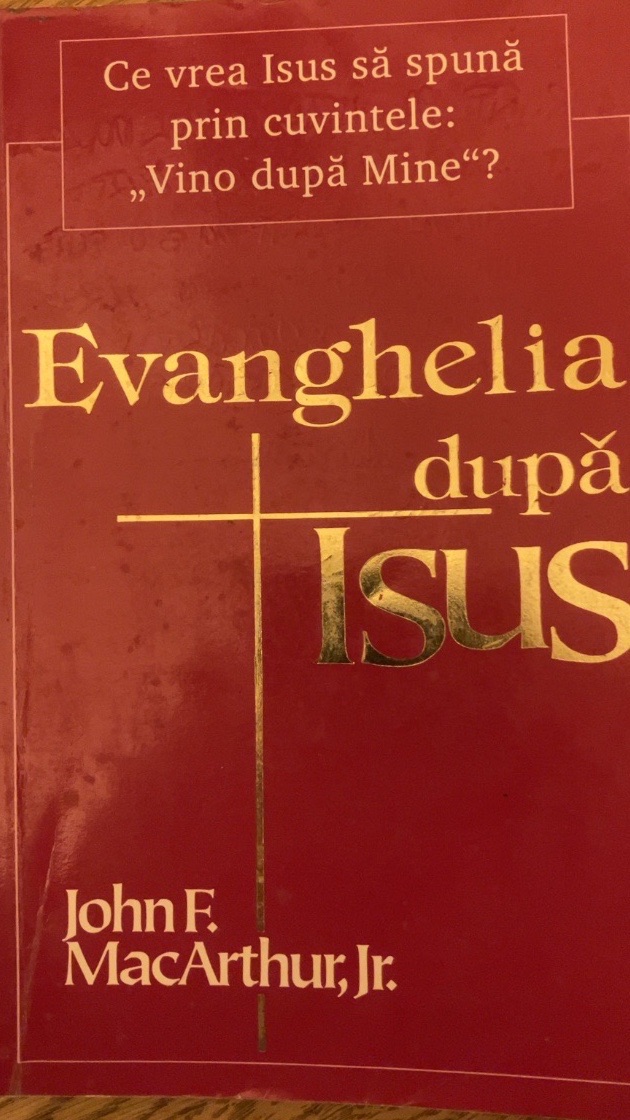
John MacArthur argues that salvation requires more than a simple intellectual agreement with facts about Christ. He critiques the concept of "easy believism," asserting that true faith inherently includes repentance and a submission to Jesus as Lord. By analyzing the parables and personal encounters of Christ in the New Testament, MacArthur demonstrates that the biblical call to follow Him involves a total surrender of the self. He defines the gospel not as a risk-free offer of insurance, but as a command to abandon sin and embrace active obedience.
This book is intended for church leaders and laypeople who are questioning the authenticity of modern conversion experiences. Readers often turn to this text to resolve confusion regarding the relationship between grace and works. They walk away with a theological framework that equates saving faith with durable discipleship. The material provides a strict standard for evaluating one's spiritual condition, emphasizing that a life remains unchanged by Christ if it does not exhibit the fruit of a transformed will.
Deep, inward-looking and clear-cut; a moderate read.
Best for readers like The Empathetic Explorer. Which reader are you?
Insights from Evanghelia după Isus
“Chemarea la mântuire este o chemare la ucenicie.”
Nu poți să-L primești pe Isus doar ca Mântuitor fără să-L accepți și ca Stăpân. Credința înseamnă mai mult decât o simplă acceptare a unor fapte istorice.
“Pocăința implică o întoarcere de la păcat la Dumnezeu.”
Pocăința nu este doar un sentiment de tristețe pasageră. Este o schimbare radicală a direcției vieții în raport cu Dumnezeu.
“Ascultarea este testul acid al credinței.”
Ascultarea apare ca un rod natural al unei inimi cu adevărat schimbate. Dacă viața nu se schimbă deloc, credința ar putea fi doar o iluzie goală.
“Harul mântuitor este întotdeauna un har care sfințește.”
Harul nu este o scuză pentru a ignora voia lui Dumnezeu. El este puterea care ne ajută să trăim o viață curată.
- Language
- RO