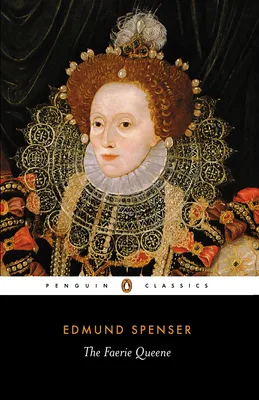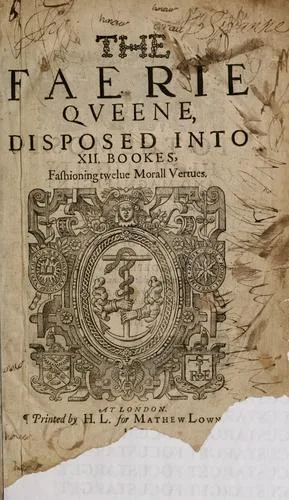
Edmund Spenser’s epic poem follows different knights sent by Gloriana, the Faerie Queene, to champion specific moral virtues. In the first book, the Redcrosse Knight represents Holiness, battling the dragon that besieges the kingdom of Una’s parents. Subsequent books feature Sir Guyon pursuing Temperance against the enchantments of the Bower of Bliss and the female knight Britomart embodying Chastity. These allegories use a fantasy landscape of dark forests, magic mirrors, and monstrous giants to represent the religious and political conflicts of Elizabethan England.
Students of Renaissance literature and fans of chivalric romance read this work to understand the development of the English language and epic poetic structure. The text provides a rigorous study of how Protestant theology and classical philosophy merged during the sixteenth century. Readers walk away with a functional knowledge of the Spenserian stanza and an understanding of how historical figures like Mary, Queen of Scots, and Elizabeth I were reimagined through mythological personas to serve state propaganda.
- Published
- 1590
- Language
- EN