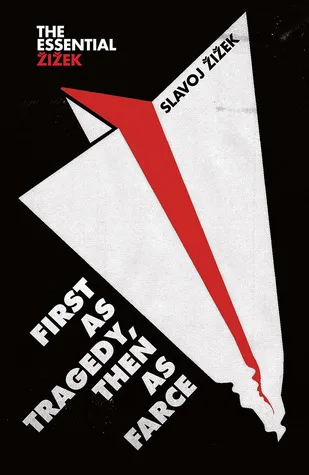
Slavoj Žižek analyzes the double failure of the early twenty-first century, beginning with the 2001 terrorist attacks and culminating in the 2008 global financial collapse. He argues that the collapse of the Twin Towers signaled the end of the liberal-democratic utopia, while the state-funded bailouts of private banks exposed the underlying fragility of global capitalism. Using Hegelian philosophy and Lacanian psychoanalysis, Žižek demonstrates how the ruling ideology maintains itself by incorporating its own failures. He identifies four principal antagonisms threatening the current order: the looming ecological crisis, the inappropriateness of private property for intellectual content, the social implications of biogenetics, and new forms of social exclusion.
This text serves readers interested in Marxist theory and cultural criticism who want to understand the structural contradictions of neoliberalism. It appeals to those looking for a rejection of moderate reformism in favor of radical systemic change. Readers walk away with a framework for identifying how humanitarianism and "ethical" consumption function to preserve the status quo. The book provides a technical vocabulary for discussing the ideological mechanisms that prevent the articulation of alternative political futures, moving beyond simple economic critiques toward a broader psychological assessment of modern political life.
- Published
- 2009
- Language
- EN