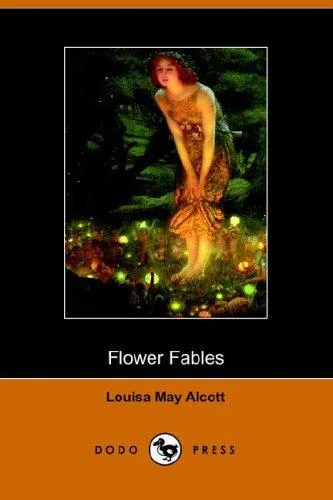
Louisa May Alcott wrote this collection of fantasy tales at sixteen for Ellen Emerson, the daughter of Ralph Waldo Emerson. Set in a hidden world of elves, pixies, and sentient flora, the narrative centers on a series of moral lessons delivered through the interactions of forest creatures. In the opening tale, the Fairy Queen gathers her subjects to share stories that illustrate the rewards of kindness and the consequences of malice. Characters like the Thistle-down and the Lily of the Valley navigate conflicts between vanity and humility, while the Ripple spirit and the Frost-king demonstrate how compassion can melt even the coldest temperament. The prose integrates original poetry and rhyming verses to describe the botanical settings and the magical customs of the spirit world.
Readers interested in the evolution of nineteenth-century children’s literature choose this book to see the initial creative efforts of the author of Little Women. It appeals to those who enjoy Victorian didacticism and personified nature myths. From these stories, the reader gains an understanding of Alcott’s early focus on self-sacrifice and domestic virtue. The text provides a clear example of how transcendentalist values were adapted into fables for young audiences, emphasizing that quiet acts of service carry more weight than outward appearances or status.
- Published
- 1854
- Language
- EN
![The United States in Literature [with three long stories] -- Seventh Edition](https://kwbjoqloympvbpzbrfja.supabase.co/storage/v1/object/public/scan-images/catalog/f48162c6-7eb5-41ec-933b-9c4218489c7d-full.webp)