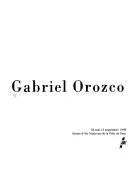
This monograph catalogs the diverse output of Gabriel Orozco through his mid-career, documenting his rejection of the traditional studio in favor of urban intervention and found-object manipulation. The publication details specific works such as the surgically altered Citroën DS, the checkerboard-painted skull, and the "Yielding Stone" plasticine ball that collected street debris as it rolled. Through essays by Benjamin Buchloh and Briony Fer, the text analyzes Orozco’s use of geometry, industrial materials, and the photography of ephemeral moments, positioning his work within the legacies of the Readymade and Minimalist structures.
Art historians and curators read this book to understand the shift from permanent sculpture to situational art. It serves as a reference for students investigating how everyday materials can be reconfigured to challenge institutional spaces. Readers walk away with a technical understanding of Orozco’s working methods, specifically how he navigates the relationship between three-dimensional objects and their photographic documentation. The collection of essays provides a framework for analyzing how a nomadic artistic practice interacts with global urban environments and local commerce.
- Published
- 1998
- Language
- EN