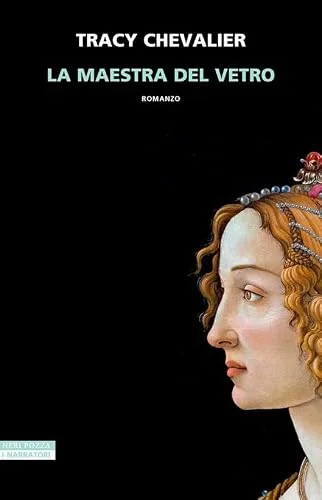
In seventeenth-century Delft, sixteen-year-old Griet enters the household of Johannes Vermeer as a quiet, observant maid. Her primary duty involves cleaning the painter’s studio without disturbing the precise placement of his objects. Over time, Vermeer recognizes Griet’s innate understanding of light and color, leading him to recruit her as a secret assistant who grinds pigments and prepares canvases. Their growing intimacy creates friction with Vermeer’s pregnant wife and his shrewd mother-in-law, eventually resulting in the clandestine modeling session for the famous portrait.
This book serves readers of historical fiction who value technical details regarding artistic craft and the rigid hierarchies of the Dutch Golden Age. It appeals to those interested in the domestic tensions created by class differences and the technical process of oil painting. Readers finish the story with a clear perspective on the physical labor required to produce classical art and the social risks faced by women navigating the homes of the wealthy.
Insights from Girl with a Pearl Earring
“I did not show him my chapped, red hands.”
Griet spent her days grinding bones and lead into colors. Her hands were always raw. It shows how much physical pain went into making something beautiful.
“He saw things in a way that others did not.”
Vermeer needed his wife for her money and her children. He needed Griet to actually see his work. It is a lonely way to live a life.
“I was careful to put everything back exactly as it had been.”
The way Griet cleaned the studio was a silent dance. She moved things back exactly so he wouldn't know she was there. It felt like a secret language between them.
Pieter the butcher offered her a normal life with meat and security. Vermeer offered her a world of light and shadow. She had to choose between being fed or being understood.
- Published
- 1999
- Publisher
- Plume/Penguin
- ISBN
- 9780452287020
- Language
- EN