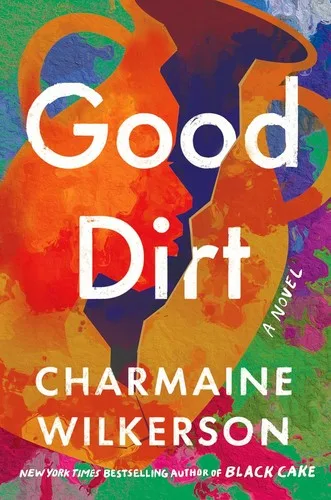
In rural postwar England, a young woman discovers human remains buried beneath the vegetable patches of a manor house where she seeks refuge. The narrative follows her attempt to hide her own identity while unraveling the history of the land and the secrets kept by the family who owns it. As she investigates the origins of the skeleton, she uncovers a network of local lies involving stolen heritage and wartime betrayals. The story tracks the friction between the preservation of social status and the inconvenient emergence of the truth from the earth.
This book serves readers of historical mysteries who value intricate plotting and a firm sense of place. Those interested in the social hierarchies of the mid-twentieth century and the lasting impact of displacement will find a detailed study of how people reinvent themselves during periods of upheaval. Readers walk away with a specific understanding of how geographical landscapes retain the physical evidence of past crimes and how individual memories conflict with official community histories.
Insights from Good Dirt
The way people use the earth says everything about their hearts. Some want to heal it while others just want to hide inside of it.
Living off the grid usually looks like a dream. In this story, it feels like a heavy secret that nobody can quite hold onto anymore.
“The land has its own memory.”
Lukas stays in the woods to find himself. He ends up realizing his past is buried right under his feet in the soil.
Family doesn't always mean a shared house. Sometimes it is just a collection of people who know which parts of you are still missing.
- Published
- 2025
- Publisher
- Ballantine Books
- ISBN
- 9780593358368
- Language
- EN