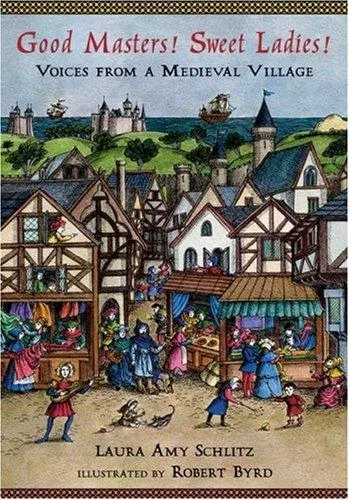
Set in an English village during the year 1255, this collection of monologues and dialogues portrays the daily realities of medieval childhood across different social classes. The characters include Hugo, the lord’s nephew who proves his courage at a boar hunt; Taggot, the blacksmith's daughter who experiences an unrequited crush; and Alice, a shepherdess tasked with tending to a sick sheep. Through these rhythmic verses, the book details specific historical elements like the feudal system, falconry, mud-wall construction, and the religious tensions between Christian and Jewish neighbors.
History students and young performers read this book to understand the physical and social landscape of the Middle Ages. It appeals to readers interested in how class distinctions and manual labor governed life before modern technology. The reader walks away with a clear mental map of a manor estate and an understanding of how children in the thirteenth century navigated the expectations of their parents and peers. The technical notes provide factual context on the crusades, medical humors, and the legal status of serfs, turning dramatic performances into a study of historical sociology.
- Published
- 2005
- Language
- EN