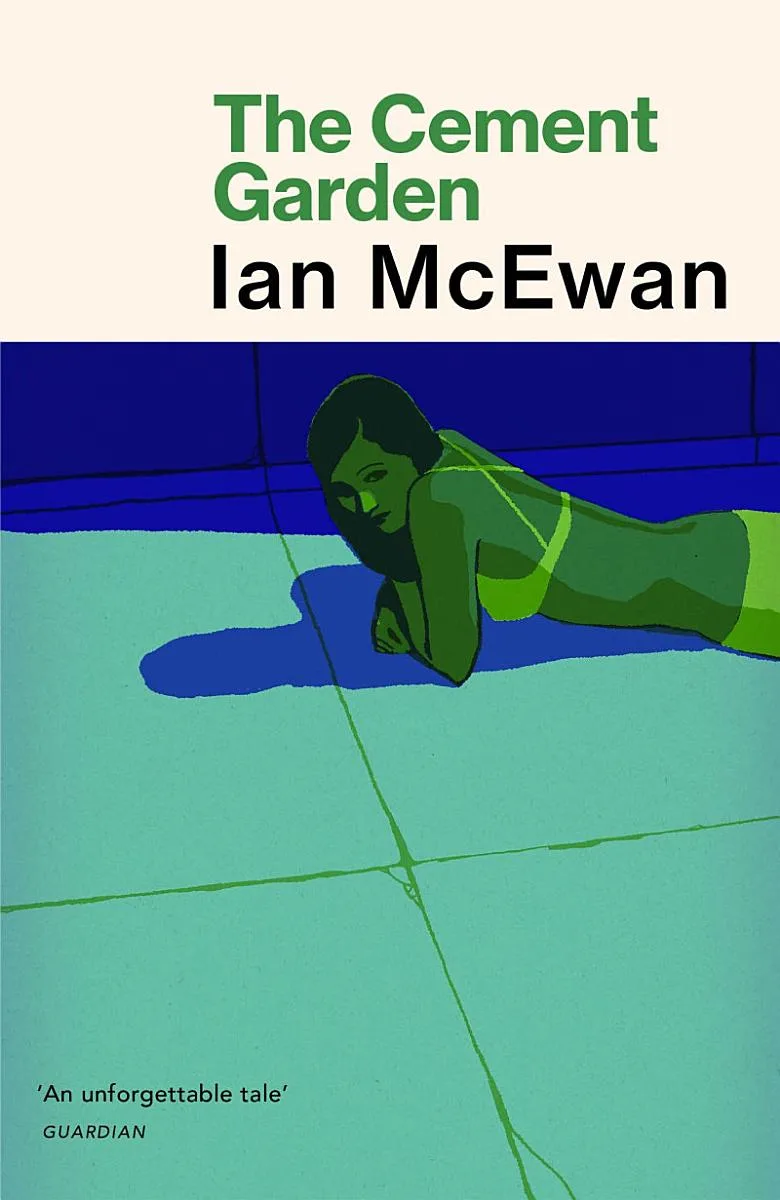
After the sudden death of their parents in 1960s London, four siblings—Jack, Julie, Sue, and Tom—decide to conceal their mother’s body in a trunk filled with cement in the basement. This decision allows them to bypass the foster care system and live in total isolation within their crumbling suburban home. As the summer heat accelerates the physical decay downstairs, the children abandon conventional hygiene and social norms. Jack and Julie gradually assume parental roles that shift into an incestuous dynamic, testing the limits of their autonomy.
This book serves readers interested in the psychological breakdown of social taboos when external authority is removed. It attracts those who study how children reconstruct domestic order and morality in a vacuum. The reader finishes the text with an understanding of how trauma and seclusion can distort typical adolescent development into something unrecognizable. It provides a stark look at the fragility of social constructs and the physical reality of mortality when left unmanaged by the state.
Insights from Grădina de ciment
“Moartea ei a fost ca un semnal pentru noi să nu mai facem nimic.”
M-a speriat cât de repede se strică totul după moartea mamei. Copiii ăia au început să trăiască într-o lume fără reguli și fără igienă.
Ideea tatălui de a turna ciment peste tot în grădină mi s-a părut sinistră. Voia să controleze natura dar a lăsat în urmă doar pustiu.
“Era un miros dulceag, greu, care părea să vină de peste tot.”
Mirosul ăla greu din pivniță m-a urmărit tot timpul. E groaznic cum un secret poate să prindă formă fizică și să putrezească sub picioarele tale.
Jack e atât de confuz și de singur în adolescența lui. Se refugiază în gesturi ciudate pentru că nimeni nu îi explică ce se întâmplă cu el.
- Published
- 2002
- Publisher
- Polirom
- ISBN
- 9789736811173
- Language
- RO