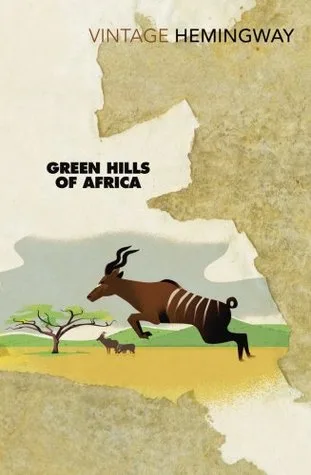
Ernest Hemingway recounts a month-long hunting expedition across the Serengeti Plains alongside his wife, Pauline, and a veteran guide named Jackson Philips. The narrative follows their pursuit of kudu and sable bull trophies while camping in the high country. Between accounts of tracking animals through thick brush and managing local trackers, Hemingway discusses his theories on literary craftsmanship and his admiration for European writers. He details the technical precision of marksmanship, the biological variety of the landscape, and the competitive tension between himself and his fellow hunters.
This book serves readers interested in the intersection of outdoorsmanship and the creative process. It provides a technical look at big-game hunting tactics and the geography of 1930s East Africa. Travelers read it for its depiction of colonial-era safari life, while writers find a manual on how landscape and physical exertion influence prose style. The reader walks away with a practical understanding of wilderness endurance and a perspective on how rigorous activity serves as a foundation for mental clarity and disciplined work.
- Published
- 1935
- Language
- EN
Quotes by Ernest Hemingway
More →Courage is grace under pressure.
There is nothing noble in being superior to your fellow man; true nobility is being superior to your former self.
The world breaks everyone, and afterward, many are strong at the broken places.
A Farewell to Arms
More by Ernest Hemingway
See all →
Readers also enjoyed