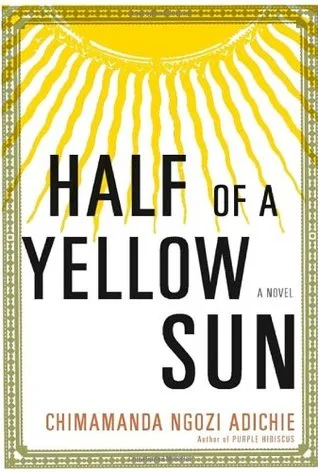
Set in the 1960s, the narrative centers on the Biafran War through the intersecting lives of five characters. Twins Olanna and Kainene navigate high-society Lagos and academic Nsukka before the secession of southeastern Nigeria forces them into refugee camps. Ugwu, a village houseboy, faces conscription, while Richard, a British expatriate, attempts to document the escalating violence. The plot tracks the transition from the optimism of independence to the brutal realities of starvation, air raids, and the collapse of the short-lived Republic of Biafra.
Readers interested in post-colonial history and the human cost of civil conflict choose this work for its detailed portrayal of wartime ethics and social breakdown. Those studying African literature find a specific examination of how class privilege dissolves under military siege. The audience gains a granular understanding of the Nigerian-Biafran conflict and the psychological effects of displacement. They walk away with a clear picture of how political instability rewrites personal identity and family loyalty.
Insights from Half of a Yellow Sun
“The war would always remain a boundary in their lives.”
War turns the most ordinary house into a cage. Olanna and Odenigbo go from debating theory to hiding under tables for their lives.
“He felt a new pride. He was a person who wrote.”
Ugwu learns to read and write while his world collapses. Education feels like a lifeline when everything else is burning down.
“Kainene’s silence was a thing of its own.”
Kainene never lets anyone see her bleed. Even in a famine, she stays sharp and cold to keep her family alive.
“The children had the skin-and-bone look of old men.”
The way people act when they are starving is so quiet. It is not always screaming. Sometimes it is just a slow fading away.
- Published
- 2006
- Publisher
- Harper Perennial
- ISBN
- 9780007200283
- Language
- EN