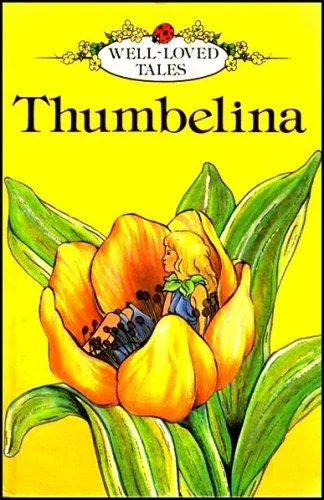
This collection of stories centers on inanimate objects and social outcasts who navigate cruel social hierarchies and sudden changes in fortune. Through characters like the steadfast tin soldier and the thumb-sized girl, the narratives document the physical sensations of cold, hunger, and longing. The prose moves between the domestic reality of nineteenth-century Denmark and supernatural realms, documenting historical class struggles and religious devotion. Instead of traditional happy endings, many tales conclude with the protagonists undergoing structural physical transformations, such as changing into sea foam or ascending to a spiritual afterlife.
Readers interested in the evolution of folklore study this text to understand how the literary fairy tale diverged from oral traditions. Those who value unsentimental storytelling examine these accounts for their descriptions of poverty and the psychological toll of isolation. A reader finishes these stories with an understanding of Victorian moral frameworks and the harsh realities of the era's social stratification. They gain a specific vocabulary for describing grief and the permanence of sacrifice, alongside a clear view of how Andersen used children’s literature to comment on adult societal failures.
- Published
- 1846
- Language
- EN