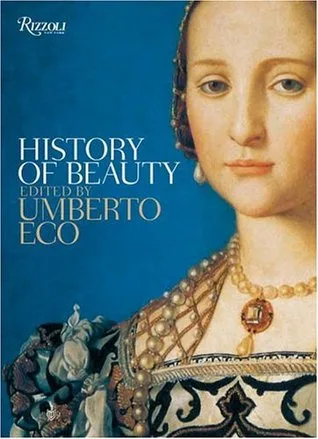
Umberto Eco examines the shifting definitions of aesthetics in Western civilization from ancient Greece to the dawn of the twenty-first century. Rather than arguing for a single, objective standard of grace, Eco traces how different eras prioritized specific qualities like mathematical proportion, light, geometric symmetry, or Baroque excess. He uses a vast collection of primary source excerpts and classical paintings to document how the human physique, architecture, and nature have been perceived through varying philosophical lenses. The text connects medieval theological light to modern industrial design, demonstrating how cultural values dictate visual preferences.
Art historians and philosophy students read this volume to understand how value systems translate into visual language over time. It provides a visual and intellectual catalog of human taste, allowing readers to identify the aesthetic principles behind specific historical movements. By studying the contrast between classical poise and modern abstraction, readers gain the ability to analyze art through its historical context rather than personal opinion. The book provides a technical vocabulary for discussing form and harmony, leaving the reader with a contextual framework for viewing museum collections and contemporary media.
- Published
- 2004
- Language
- EN