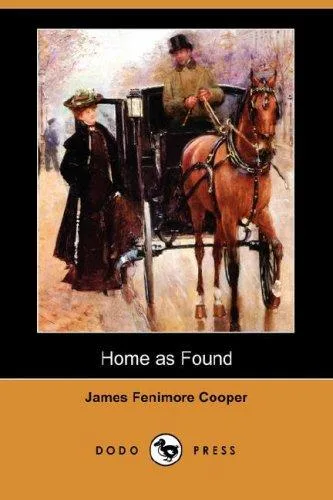
The narrative follows the Effingham family as they return to New York after years of living in Europe, focusing on their struggle to reconcile refined social expectations with the crude realities of American democracy. Upon reaching their estate, Templeton, they face property disputes and the aggressive behavior of local residents who mistake liberty for a license to ignore private rights. The story centers on the conflict between permanent landed interests and the transient nature of a commercial society, highlighting specific arguments regarding the decline of manners and the tyranny of public opinion in a developing nation.
This work serves readers interested in the social dynamics of the early American republic and the tensions inherent in class transitions. It appeals to those studying historical critiques of Jacksonian democracy and the cultural gap between aristocratic traditions and frontier individualism. Readers gain a detailed perspective on the legal and social friction created by rapid egalitarian shifts. The text provides a clear view of the frustrations voiced by the landowning class during a period of significant national expansion and populist reform.
- Published
- 1800
- Language
- EN
![The United States in Literature [with three long stories] -- Seventh Edition](https://kwbjoqloympvbpzbrfja.supabase.co/storage/v1/object/public/scan-images/catalog/f48162c6-7eb5-41ec-933b-9c4218489c7d-full.webp)