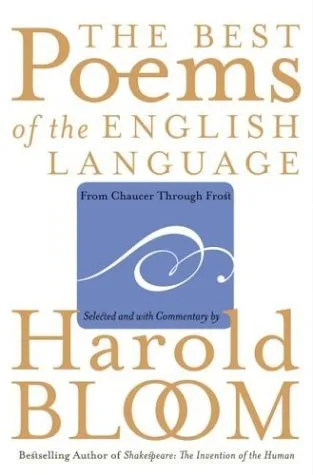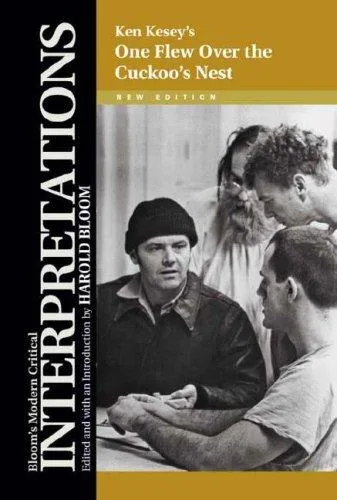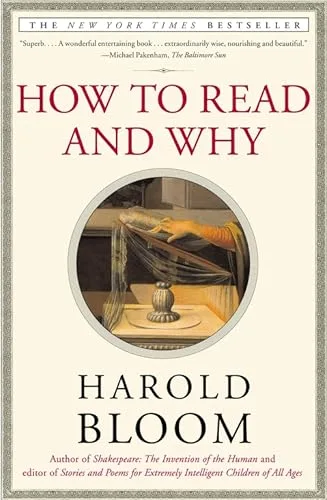
Harold Bloom argues that the primary purpose of reading is to strengthen the solitary self and cultivate a private sense of irony. He structures his analysis through five distinct categories: short stories, poems, plays, and two types of novels. Instead of focusing on historical context or political ideologies, Bloom examines specific authors like Chekhov, Whitman, Shakespeare, and Cervantes to illustrate how their works provide mental clarity. He outlines a methodology for approaching difficult texts by seeking out what is strange and unfamiliar rather than looking for a reflection of modern social values.
This book is for experienced readers and students who want to develop their own aesthetic judgment without relying on institutional interpretations. Readers gain a framework for selecting literature that offers high intellectual stakes rather than simple entertainment. By following Bloom’s suggestions, individuals learn to internalize complex narratives and verse to better navigate their own psychological experiences. The reader finishes the book with a list of historical masterworks and a clarified understanding of how to engage with them for personal growth.
- Published
- 2000
- Language
- EN