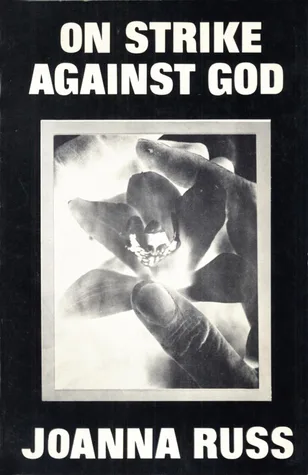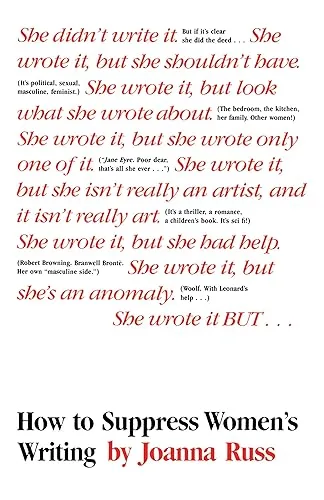
Joanna Russ identifies the recurring rhetorical strategies used by the literary establishment to devalue and erase literature written by women. She analyzes specific patterns of dismissal, such as "Prohibitions" that prevent women from accessing materials, and "Pollution of Agency," which falsely attributes a woman’s success to a male mentor. Russ examines how critics categorize female-authored texts as "anomalous" or apply the "Double Standard of Content," where domestic or private subject matter is labeled trivial compared to male-centric themes. By tracking these systematic biases across centuries of criticism, Russ demonstrates how the canon is curated to exclude female voices.
Academic researchers and students of literary history use this text to identify structural prejudice in historical and modern criticism. It serves as a manual for recognizing how institutional gatekeepers marginalize minority perspectives. Readers gain a framework for analyzing the subtle ways meritocracy is claimed while exclusion is practiced. The book provides specific vocabulary for describing the social and professional barriers that disrupt creative careers. It offers a clear-eyed look at how the disappearance of women’s work from the public record is a deliberate, repeatable process rather than an accident of history.
- Published
- 1983
- Language
- EN