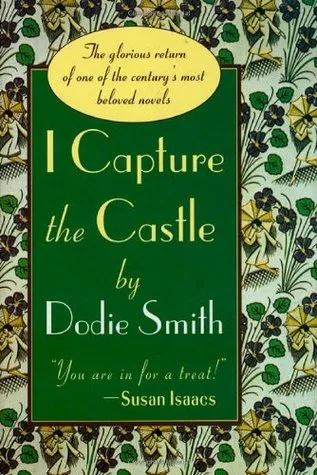
Seventeen-year-old Cassandra Mortmain records her family’s life within a decaying English castle during the 1930s. Her father, a novelist with severe writer's block, has stopped earning, leaving the family in poverty. Cassandra practices her writing by documenting her sister Rose’s desire for wealth and their eccentric stepmother’s artistic nature. When two American brothers inherit the neighboring estate, the Mortmains find their isolation interrupted. The narrative details Rose’s calculated pursuit of marriage and Cassandra’s first experience with unrequited love and the complexities of adult emotions.
Readers of coming-of-age stories and historical fiction value this book for its voice and setting. It appeals to those interested in the transition from childhood idealism to the pragmatism of adulthood. The reader finishes the book with a perspective on how poverty affects family dynamics and an understanding of the difference between romantic fantasy and emotional reality. It provides a technical example of the first-person diary format used to track character development over time.
Inward-looking; an easy read.
Best for readers like The Empathetic Explorer. Which reader are you?
Insights from I Capture the Castle
“I write this sitting in the kitchen sink.”
Cassandra sitting in that empty copper bathtub to write is so relatable. Sometimes she just needs a quiet corner to feel like a real person.
“I want to be rich. I want to be happy.”
Rose is just trying to survive being poor in a crumbling house. Her obsession with marrying for money feels more like desperation than greed.
Growing up means watching your parents fail you. Seeing Cassandra realize her father is just a scared man with writer's block stayed with me.
“I am a girl who likes to be alone.”
First love usually involves a lot of waiting around for someone to notice you. Cassandra spends so much time just watching Stephen from the window.
- Published
- 1948
- Publisher
- St. Martin's Press
- ISBN
- 9780312181109
- Language
- EN