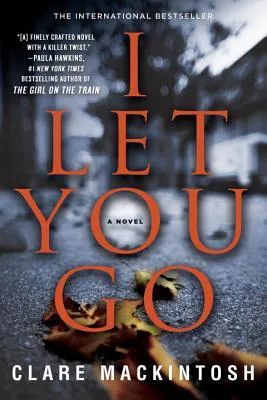
After a hit-and-run accident kills her young son in a rain-slicked Bristol street, Jenna Gray flees to a remote Welsh coastal village to escape her grief. She attempts to rebuild her life in a derelict cottage while DI Ray Stevens and his team investigate the cold case, struggling with a lack of witnesses and forensic evidence. The narrative shifts halfway through, revealing that the initial perspective on the crime and Jenna’s past was built on a series of deliberate misdirections regarding the identity of the driver and the nature of Jenna’s isolation.
Psychological thriller fans who value intricate structural pivots will find this narrative rewarding. It serves readers interested in the mechanics of domestic abuse and the psychological aftermath of trauma. The audience gains a detailed look at how police investigations stall and restart based on singular pieces of overlooked evidence. Readers walk away with an understanding of how personal history can be concealed through selective narration and the specific ways internal guilt can be weaponized by others.
Practical and escapist; an easy read.
Best for readers like The Escapist Adventurer. Which reader are you?
Insights from I Let You Go
“I am a ghost. I am a shadow of who I was.”
Living with heavy guilt turns every day into a performance. Jenna moves to a rainy coast just to hide from her own skin.
“How can the sun shine when my world has ended?”
Grief has a strange way of making you feel like a criminal. Even a glass of wine or a sunset feels like a betrayal of the person you lost.
“He didn't hit me. Not then.”
Domestic abuse doesn't always look like a movie. Sometimes it is just a man who slowly rewrites your reality until you stop trusting your own eyes.
“It takes a split second for a life to be shattered.”
The moment that changes your life happens in a literal blink. One second a child is holding your hand. The next second everything is gone.
- Published
- 2014
- Language
- EN