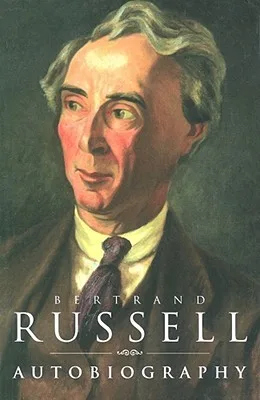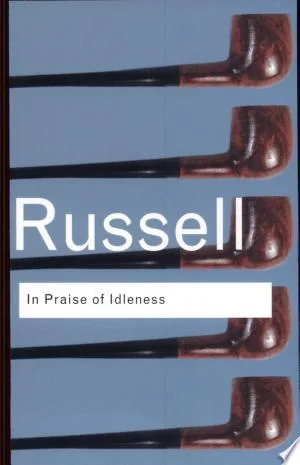
Bertrand Russell argues that the modern obsession with efficiency suppresses human character and intellectual growth. He proposes a four-hour workday, asserting that technological advancement should grant people leisure rather than fueling overproduction and unemployment. Through a series of essays, Russell examines the history of fascism, the psychological roots of social intolerance, and the value of "useless" knowledge that serves no immediate economic purpose. He critiques the moral glorification of hard labor, framing it as a tool used by ruling classes to maintain control over the working population.
Students of philosophy and social science read this collection to understand the relationship between economic structures and individual freedom. The text provides a framework for questioning why society prioritizes industrial output over contemplative leisure and creative play. Readers finish the book with a clearer perspective on how to resist the pressures of constant productivity and how to apply logical skepticism to political rhetoric. It offers a historical context for contemporary debates regarding work-life balance and the role of education in a democratic society.
- Published
- 2020
- Publisher
- Routledge
- ISBN
- 9781000158489
- Language
- EN